

✦
Where Artistry Begins
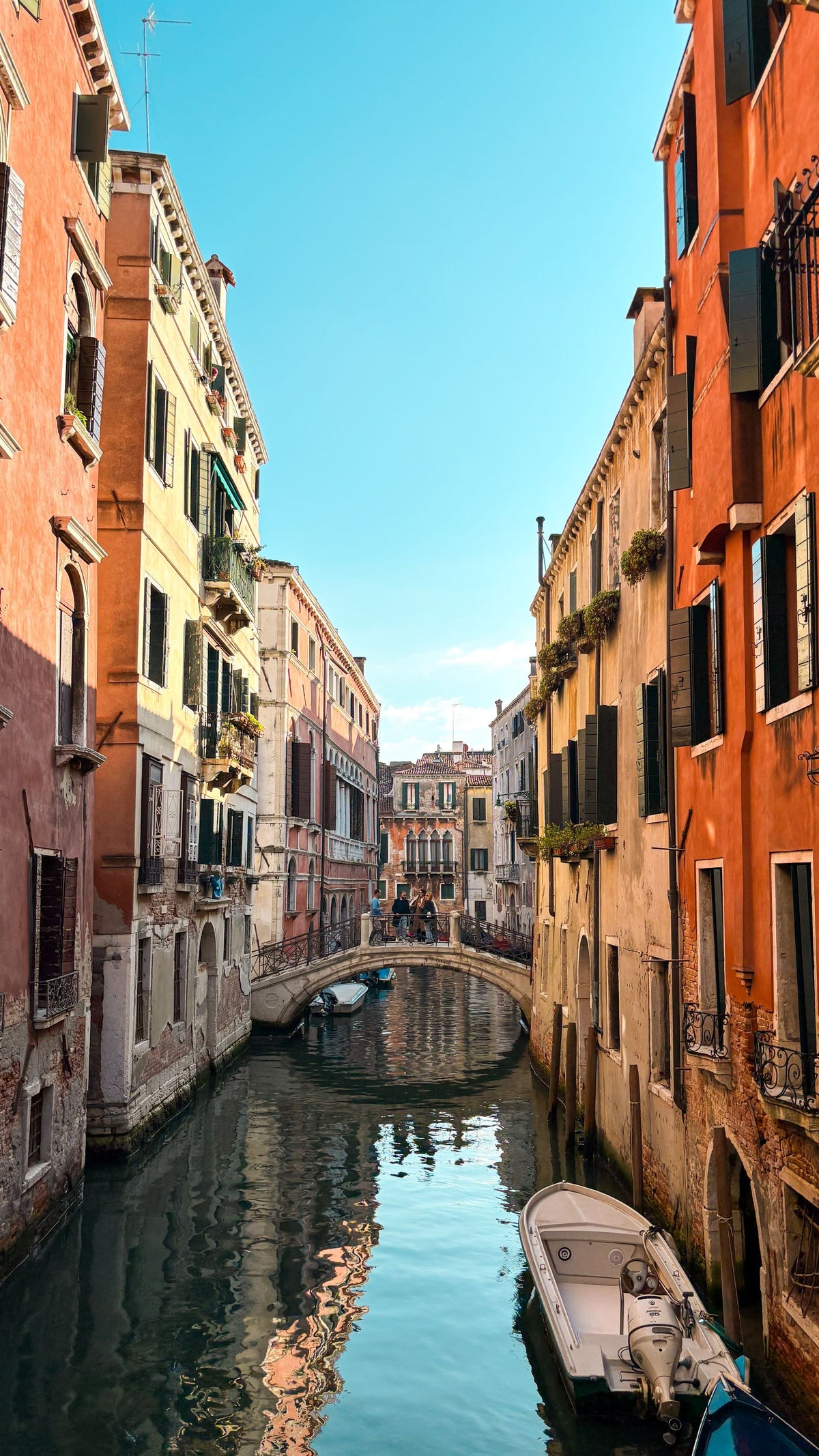
Venetian plastering or limewash comes down to the look and the wall. Venetian plastering builds thin, troweled layers of lime plaster into a smooth surface that can be burnished to a marble like sheen, while limewash is brushed on as a soft, chalky, matt coat full of cloudy movement. Both are lime based and breathable. Zavoré installs both finishes, with our own artisans, in homes and businesses across London, Birmingham, Manchester and the UK.
To see what a full installation involves, read our guide to Venetian plaster installation, and for the areas we cover, visit Venetian plastering across the UK. Here we compare the two side by side so you can decide which suits each room.
Venetian plaster is applied with a steel trowel in several very thin coats. Each layer is pressed as it firms, and the last is burnished until the surface closes and glows. The finished wall is hard, smooth and cool to the touch, with depth and variation that people often compare to stone. At its glossiest it is what most people call polished plaster. Left softer, as marmorino, it has a gentle satin with more visible texture.
Limewash is a much thinner material, brushed on in several coats. It soaks into a suitable porous base and dries to a powdery matt finish, with soft clouds of colour where the brush strokes overlap. The effect is relaxed and natural, closer to an old Mediterranean house or a country cottage than to a marble hall.
For hallways, stairs, kitchens and living rooms that see daily wear, Venetian plaster is usually the stronger choice. Once cured and waxed it is hard wearing and can be wiped with a soft, damp cloth. Limewash is lovely but more delicate; it can mark if rubbed and tends to suit bedrooms, dining rooms, snugs and feature walls where it is admired rather than brushed past. In a kitchen, plan a proper splashback behind the hob whichever you choose.
Both do, because both are built on lime. Lime breathes, while acrylic paints and some modern plasters form a film that can hold moisture inside solid masonry. In Victorian terraces, Georgian townhouses, stone cottages and barns, either finish respects the wall. The difference is flatness. Venetian plaster shows every dip, so an old, wavy wall may need skimming first; limewash is happier on a slightly uneven surface and can celebrate its character. If the building is listed, consent is generally needed for works that affect its character, so check with your local planning authority.
We do not publish installation prices, because every wall is different. In general terms, Venetian plastering involves more coats, more burnishing and more preparation for flatness, while limewash is quicker to build but still needs a suitable base and several careful coats. Wall area, ceiling height, repair work, access and the chosen colour all shape the final figure. The fair way to compare is to survey and quote both on the same walls, which we are happy to do.
Both finishes can be made in any of our 48 house colours or matched to an NCS reference. Colour reads differently on each. On Venetian plaster it gains depth and a slight shimmer as it is burnished. On limewash it softens and dries lighter, with a powdery bloom. A sample in each finish, viewed in the room in daylight and lamplight, is the simplest way to decide.
Our main Venetian plaster page explains the material in more depth, and the limewash page covers the brushed finish.
It often involves less burnishing and less preparation for flatness, but the real cost depends on the walls, the area, access and any repairs. We survey first and can quote both finishes on the same room, so you can compare fairly before choosing.
Yes, and many homes do. A polished Venetian plaster hallway and a limewashed bedroom sit well together, because both are lime based and share a natural, hand made quality. Choosing colours from the same palette ties the rooms together.
A waxed Venetian plaster wall is harder and more resistant to marks, so it tends to suit busy areas for longer. Limewash is softer and can be refreshed with a further coat when needed. Both last well when the wall underneath is dry and sound.
Yes. The Zavoré Academy in Birmingham, plus our London and Manchester centres, teach in person, with a 3 day Beginner Course, a 4 day Advanced Course and 3 days of 1 to 1 Training. All materials are included.
If you are weighing up Venetian plastering or limewash, email photos, rough sizes and the address to sales@zavore.co.uk, or call +44 7592 929191, Monday to Saturday. You can compare colours on a sample board, and plaster materials are sold in our shop.
An outline of what limewash training covers about mixing limewash and the risks of slaking lime, and how to ask Zavoré about it.
BasementsA guide to decorative finishes for London basements, covering media rooms, gyms and wine rooms, why waterproofing must come first, and wh...
CheshireAn in depth guide to seamless microcement and tadelakt bathrooms for homes across Cheshire, and how to choose between them.
CheshireA guide to polished plaster and other decorative finishes for the large modern homes of Wilmslow and Alderley Edge, and where they fit in...
CheshireChester and the Cheshire countryside are full of timber framed, Georgian and Victorian buildings. This guide explains why lime finishes s...
Greater ManchesterHow microcement floors work in kitchen extensions across Greater Manchester, from the screed underneath to underfloor heating and everyda...

Providing luxury finishes for the most prestigious addresses in the world
Venetian plaster, limewash, microcement, tadelakt, metallics, sculptural plaster and gold leaf, supplied and installed by our own team, with Venetian plaster taught at our Birmingham studio.
One list, run by the people who make the material. No noise, and nothing we would not want to read ourselves.
We email as the house has something worth saying, never daily. Unsubscribe from any email, or reply STOP to any text. We never pass your details to anyone.