

✦
Where Artistry Begins
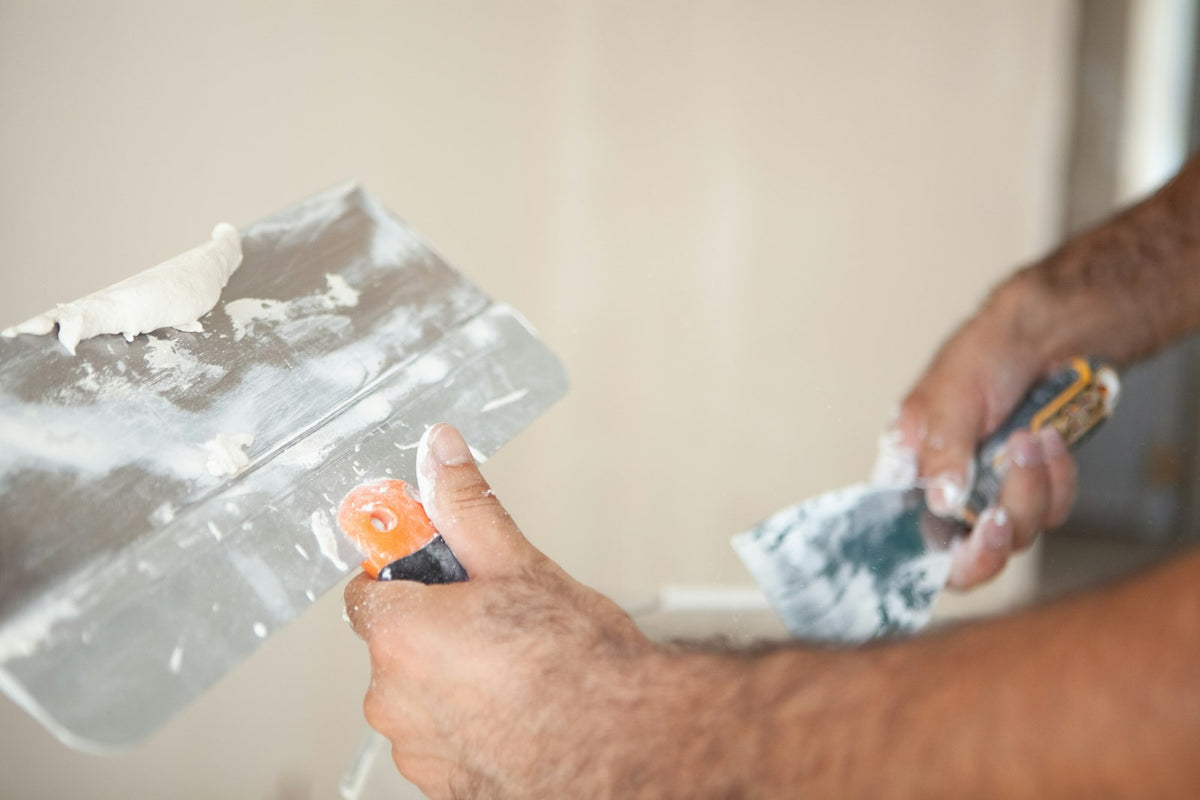
Venetian plastering in Devon means working with some of the most varied walls in England, from cob cottages and Dartmoor granite to Regency seaside terraces and new Exeter apartments. Zavoré carries out Venetian plastering in Devon with our own artisans, choosing breathable lime finishes for the old earth and stone buildings and polished Venetian plaster where a wall is flat, sound and dry.
How a job runs from survey to final wax is set out on our installation service page, and our page on Venetian plastering in Devon covers the county in more depth. For the finish itself see what Venetian plaster is, and for other regions our artisans reach there is Venetian plastering across the UK.
Devon is known for cob, a blend of earth and straw built up into thick, softly rounded walls, usually under thatch or slate. On and around Dartmoor, granite takes over. Both materials move moisture in and out all the time, and covering them with a plastic based coating can trap that moisture inside the wall, where it causes damp and decay. For these houses lime is not just a style choice, it is the sympathetic one.
The towns add more variety. Exeter has Georgian terraces such as Southernhay alongside the Quayside and plenty of recent apartments and student housing. Totnes and Dartmouth keep old merchants' houses and timber framed buildings. Sidmouth and Exmouth carry Regency and Victorian seafront terraces, and Barnstaple and Ilfracombe sit on the more exposed north coast. Around all of them run postwar estates and new developments built in block and board.
For cob, granite and old rubble stone, our usual advice is a matt or soft sheen lime finish.
Those surfaces will never be perfectly flat, and that is part of their charm. A high gloss polished plaster would emphasise every undulation, so we keep the mirror finishes for walls that can genuinely be made true. Read more about limewash and how it ages.
Polished Venetian plaster comes into its own in the county's flatter interiors. A tall Regency drawing room in Sidmouth with sound, smooth walls can take a deep polished finish in a warm stone or sea grey. New apartments in Exeter and the coastal towns give clean plasterboard surfaces once the joints are reinforced and primed. Kitchen extensions with large glazing suit travertino or a concrete effect wall. For shower areas we recommend tadelakt or microcement on a waterproofed wall, because Venetian plaster is not designed for inside a shower.
For cob walls the survey is especially important, because past cement renders and modern patch repairs can hide trouble. Narrow lanes, steep seaside streets and permit parking in Exeter or Totnes can all affect how we arrive and unload, so mention them early. Cold, damp rooms dry slowly, so gentle background heat during the work helps.
We do not give a figure before the survey. Area, ceiling height, wall condition, the number of coats and how easy the property is to reach all shape the price. Repairing a bulging cob wall before limewash is a different job from polishing a new board wall in an Exeter flat, so any rate quoted unseen would be misleading.
A breathable lime finish can, and that is what cob needs. Limewash and marmorino let the wall release moisture. A high gloss Venetian plaster is less suited because cob is rarely flat enough. The survey checks for old cement patches or damp, and we tell you plainly if a repair should come first.
Listed building consent is generally needed for works that affect a listed building's character, and many Devon cottages are listed. Check with your local planning authority before starting. Lime finishes are usually sympathetic to old fabric, and we can discuss options once you know what is allowed.
Inside, a properly cured and waxed lime finish copes well. What matters more is whether salt or damp is already in the wall, which can happen in older seafront buildings. We look for that at the survey and advise on drying out or repair before decorative work begins.
Yes. Our Beginner Course runs 3 days and our Advanced Course 4 days, with 1 to 1 Training over 3 days if you prefer. They take place at our Birmingham Academy and our London and Manchester centres, in person, with all materials included.
To talk through Venetian plastering for your Devon home, email photos, approximate wall sizes and your postcode to sales@zavore.co.uk or call +44 7592 929191. A sample board is a good way to try lime colours against cob, stone or plaster first.
How Venetian plastering works in clinics and aesthetics practices, from reception walls to consultation rooms, cleaning, hygiene question...
LancashireA local guide to Venetian plastering in Lancashire, covering mill conversions, Ribble Valley farmhouses, Preston and Lancaster townhouses...
Polished PlasterA guide to polished plaster in Windsor homes and apartments, from lime finishes for period townhouses near the castle to flat, modern wal...
St AlbansWhat St Albans homeowners should know about Venetian plaster, from Georgian and timber framed houses to Victorian villas and suburban sem...
Venetian PlasteringHow Venetian plastering works on high ceilings, stairwells and double height walls, from towers and scaffold to avoiding join lines on la...
Venetian PlasterAn honest look at whether Venetian plaster helps when selling a home in the UK, which rooms and colours matter, and how to prepare existi...

Providing luxury finishes for the most prestigious addresses in the world
Venetian plaster, limewash, microcement, tadelakt, metallics, sculptural plaster and gold leaf, supplied and installed by our own team, with Venetian plaster taught at our Birmingham studio.
One list, run by the people who make the material. No noise, and nothing we would not want to read ourselves.
We email as the house has something worth saying, never daily. Unsubscribe from any email, or reply STOP to any text. We never pass your details to anyone.