

✦
Where Artistry Begins
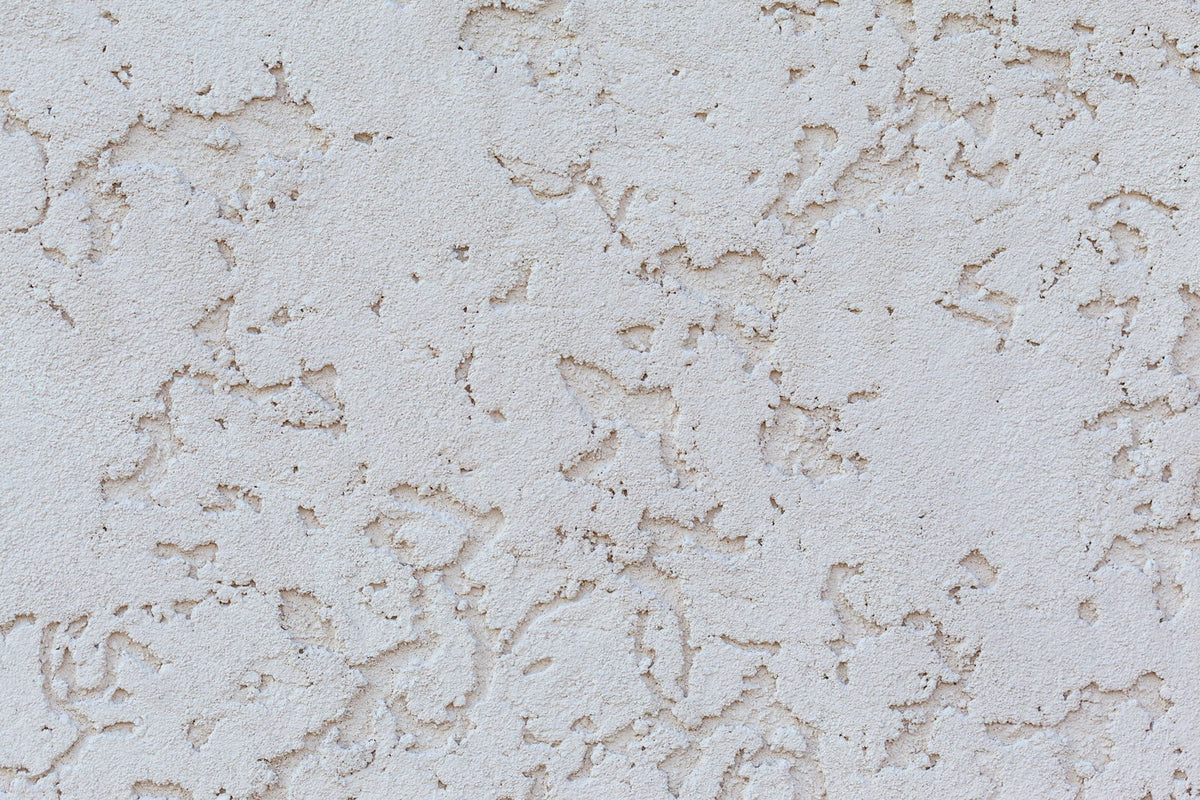
Marmorino plaster is the Venetian classic: slaked lime putty blended with finely ground marble dust, laid on in thin coats with a steel trowel and finished to a soft, stone like surface. It sits somewhere between matt and a low sheen, depending on how hard it is pressed at the end. It is breathable, naturally alkaline, and it has been used on Italian walls for centuries. In the UK it is now sold ready mixed and tinted, which means you can buy it in your exact colour and have it on the wall within days.
Zavoré lays this for you too. Our own team provides Venetian plaster installation across the UK.
This guide covers the look, the application, where it works, cost against polished plaster and how to buy it in the UK. We put this material on walls every week, so this is practical rather than romantic.
Two ingredients do the work. Lime putty is limestone that has been burnt, slaked in water and left to mature. Marble dust is graded to a chosen fineness. Together they make a paste that stays workable on the trowel, cures by drawing carbon dioxide back out of the air, and slowly turns into something close to the stone it came from. In Italy it sits within the wider family of stucco italiano, the lime and marble wall finishes of the Veneto, which is why you will also see it sold as marmorino Venetian plaster.
That last point matters. Marmorino does not sit on the wall like paint. It carbonates into a thin mineral skin bonded to the substrate: hard wearing, breathable, and no friend to mould the way a plastic film can be.
Modern tubs may contain a little binder for adhesion on difficult backgrounds, but a proper marmorino is still overwhelmingly lime and marble. If a product is mostly acrylic, it is a different thing. We cover that split in lime vs acrylic Venetian plaster.
Where polished plaster (Veneziano, Grassello) is burnished to a glassy, marble like shine, marmorino is calmer. The grain is slightly coarser, so the surface reads as honed stone rather than polished stone. Light moves across it gently. You get cloudiness and variation from the trowel, but not the glossy veining of a high polish finish.
The sheen is adjustable. Leave it as trowelled and it is a true matt. Press the final coat with the flat of the trowel and it lifts to a soft eggshell. Push harder, or wax it, and you can take it towards a low satin; this is what people usually mean when they ask for marmorino polished plaster. It never goes fully glossy, and that is the point: quiet and expensive rather than showy.
Marmorino vs polished plaster sets the two side by side.
The wall needs to be sound, dry, clean and primed. On plasterboard or a modern skim we use a bonding primer so the lime has something to grip. Then the work is in coats.
Coats are thin, so a 24kg tub covers a typical feature wall in two coats. For anything bigger, use our coverage guide rather than guessing.
Marmorino is more forgiving than high polish work, which is why it is one of the first finishes we teach on the three day beginner course. It does not punish every hesitation the way a glassy Veneziano does.
Marmorino is at its best on feature walls, hallways, stair walls, bedrooms, restaurant and hotel interiors, and on ceilings where you want texture without weight. It is good in kitchens away from the hob and, sealed, on bathroom walls that see steam rather than running water.
Where it struggles: inside a shower without proper waterproofing, on walls that move (poorly braced stud partitions, unbonded boards), and on substrates that were never primed. Most failures we are asked to look at come down to preparation, not the plaster. Why marmorino cracks goes through the causes.
Lime finishes carry pigment beautifully in the pale to mid range. Whites, stones, putty, sand, sage, terracotta and soft greys all sit naturally in marmorino because the marble dust gives a chalkiness that suits earth tones. Deep colours are possible, but the darker you go the more every lap shows.
Every tub we sell is tinted to your colour before it leaves. Choose from our colour page or send us a reference. If you have not seen your colour in this material, order a hand made sample board first. It is £8 and saves a lot of second guessing.
Tub for tub, marmorino and polished plaster cost about the same. The difference is labour. A high polish finish takes more coats, finer work and a long burnish, so the installed price is higher. Marmorino installed usually lands in the lower to middle part of the decorative plaster range: well above a good paint job, below a mirror polish Veneziano.
For actual bands and what drives them, see polished plaster cost in the UK. If you would rather have it done, our installation team works from Birmingham and travels across the country.
You have three options: import it yourself, tint a generic tub yourself, or buy from one of the UK marmorino plaster suppliers who tints it for you. The third works for most people. Self tinting lime is hard to keep consistent from tub to tub, and importing means minimum orders and long lead times.
We stock three marmorino type finishes, each with a slightly different grain and character: Stucco Crea 20kg (£175), Calcite 24kg (£200) and Dolomiti Stucco 24kg (£200). All are tinted to your colour in the tub and sent with tracked delivery across the UK and worldwide. Tell us the room and the look you are after and we will say which one fits.
Primers, sealers and what to order alongside the plaster are covered in how to buy Venetian plaster in the UK.
A lime plaster made from slaked lime putty and finely ground marble dust, applied in thin trowelled coats and compressed to a soft, honed stone finish. It is breathable, mineral and hard wearing, and it is one of the oldest finishes in the Venetian plaster family.
“Venetian plaster” is the umbrella term for lime and marble finishes from the Veneto; marmorino is one member of that family. Marmorino has a slightly coarser grain and finishes matt to low satin, while polished plaster (Grassello or Veneziano) is finer and is burnished to a glossy, marble like shine.
No. Bare marmorino is breathable and water resistant once sealed, which is enough for steam and the odd splash in a bathroom, but it is not a finish for inside a shower. For walls that see running water, use Tadelakt or microcement over a properly tanked substrate and keep the marmorino for the rest of the room.
Not with our system. A single natural beeswax, applied thinly and buffed, is all a dry room wall needs; a second thin coat only if you want a little more sheen. In kitchens, hallways and bathrooms skip the wax and use a sealer instead, so the wall can be wiped clean.
As a rule of thumb, a 24kg tub covers a typical feature wall in two coats. For anything larger than one wall, work it out properly with our coverage guide and round up, so every tub comes from the same order.
Where to go next: if you are ready to order, choose your colour on the colour page, then pick your marmorino in the shop. If you would rather see it first, order a £8 sample board. And if you want to learn it at the bench, the beginner course at the Zavoré Academy takes you from bucket to finished wall in three days.
An outline of what limewash training covers about mixing limewash and the risks of slaking lime, and how to ask Zavoré about it.
BasementsA guide to decorative finishes for London basements, covering media rooms, gyms and wine rooms, why waterproofing must come first, and wh...
CheshireAn in depth guide to seamless microcement and tadelakt bathrooms for homes across Cheshire, and how to choose between them.
CheshireA guide to polished plaster and other decorative finishes for the large modern homes of Wilmslow and Alderley Edge, and where they fit in...
CheshireChester and the Cheshire countryside are full of timber framed, Georgian and Victorian buildings. This guide explains why lime finishes s...
Greater ManchesterHow microcement floors work in kitchen extensions across Greater Manchester, from the screed underneath to underfloor heating and everyda...

Providing luxury finishes for the most prestigious addresses in the world
Venetian plaster, limewash, microcement, tadelakt, metallics, sculptural plaster and gold leaf, supplied and installed by our own team, with Venetian plaster taught at our Birmingham studio.
One list, run by the people who make the material. No noise, and nothing we would not want to read ourselves.
We email as the house has something worth saying, never daily. Unsubscribe from any email, or reply STOP to any text. We never pass your details to anyone.