

✦
Where Artistry Begins
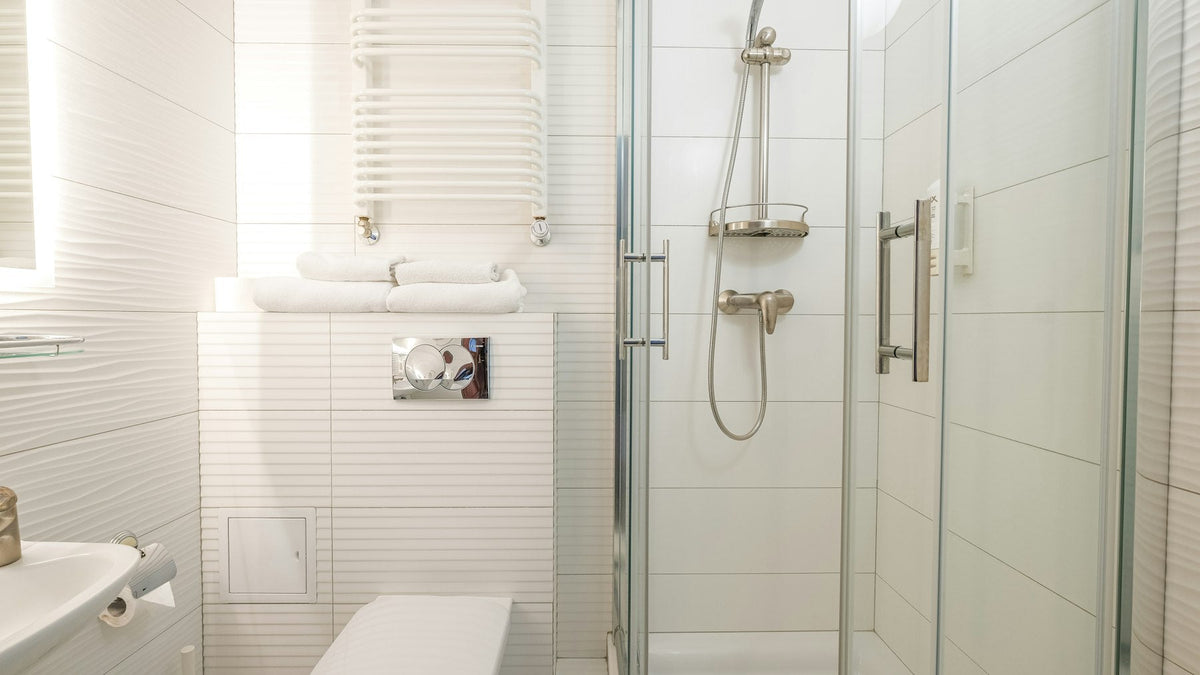
"Waterproof plaster" means two different things in the UK. Some people want a plaster that stops damp coming through a wall. Others want a decorative plaster that can go in a bathroom or shower without tiles. They need very different products, and choosing the wrong one is an expensive mistake. This guide explains both.
Zavoré lays this for you too. Our own team provides decorative plaster installation across the UK.
If water is coming through a wall, a decorative plaster will not fix it. Damp walls need the cause found first: a leak, failed gutters, rising damp, condensation or bridged cavities. Common treatments include tanking systems and waterproofed renders, usually specified by a damp or building specialist. Old solid walls often do better with breathable lime than with sealing them up. Fix the damp first, then choose the finish.
For bathrooms, "waterproof" usually means a decorative finish that resists water. The options are:
| Finish | How it resists water | Where it suits |
|---|---|---|
| Polished Venetian plaster | Wax worked into the surface | Bathroom walls away from direct spray |
| Tadelakt | Polished lime sealed with soap | Traditionally used in Moroccan bathrooms |
| Microcement | Sealer, over a waterproof membrane | Showers, wet rooms, floors |
None of these replaces a proper waterproofing layer behind a shower. The finish resists water on its face; the membrane underneath protects the building. Read is microcement waterproof, tadelakt bathrooms and our Venetian plaster bathroom guide.
Not on its own. Lime plaster is breathable and will take in water if left unsealed. Waxed polished plaster becomes water resistant and wipes clean, which suits bathroom walls outside the shower. For walls that are hit by water every day, choose a system made for wet areas.
A breathable water repellent can reduce how much water plaster, stone or masonry absorbs, while still letting the surface breathe. See our Waterproofer and waxes and sealers.
Decorative plasters are water resistant when sealed, not waterproof on their own. In showers they need a waterproof membrane behind them.
Yes, with the right system: a membrane underneath and a finish made for wet areas, such as microcement or tadelakt.
Waxed polished plaster for walls away from water, and a wet area system inside the shower. See Grassello in bathrooms.
How microcement floors work in kitchen extensions across Greater Manchester, from the screed underneath to underfloor heating and everyda...
Buying GuideA product by product guide to the protective finishes in the Zavoré shop and which plaster each one is made for.
CommercialWhat London restaurant, bar and hotel operators should know about decorative plaster. Which finishes stand up to busy service, out of hou...
BirminghamFor people thinking about leaving another job for decorative plastering. What a beginner course at the Zavoré Academy covers, the gap bet...
TadelaktAn in depth guide to tadelakt, the polished Moroccan lime plaster, for bathrooms and wet rooms in Welsh homes, cottages and holiday lets.
DubaiHow polished plaster works on staircases and lift lobbies in Dubai villas, from tall stair walls and handrail fixings to protecting busy ...

Providing luxury finishes for the most prestigious addresses in the world
Venetian plaster, limewash, microcement, tadelakt, metallics, sculptural plaster and gold leaf, supplied and installed by our own team, with Venetian plaster taught at our Birmingham studio.
One list, run by the people who make the material. No noise, and nothing we would not want to read ourselves.
We email as the house has something worth saying, never daily. Unsubscribe from any email, or reply STOP to any text. We never pass your details to anyone.