

✦
Where Artistry Begins
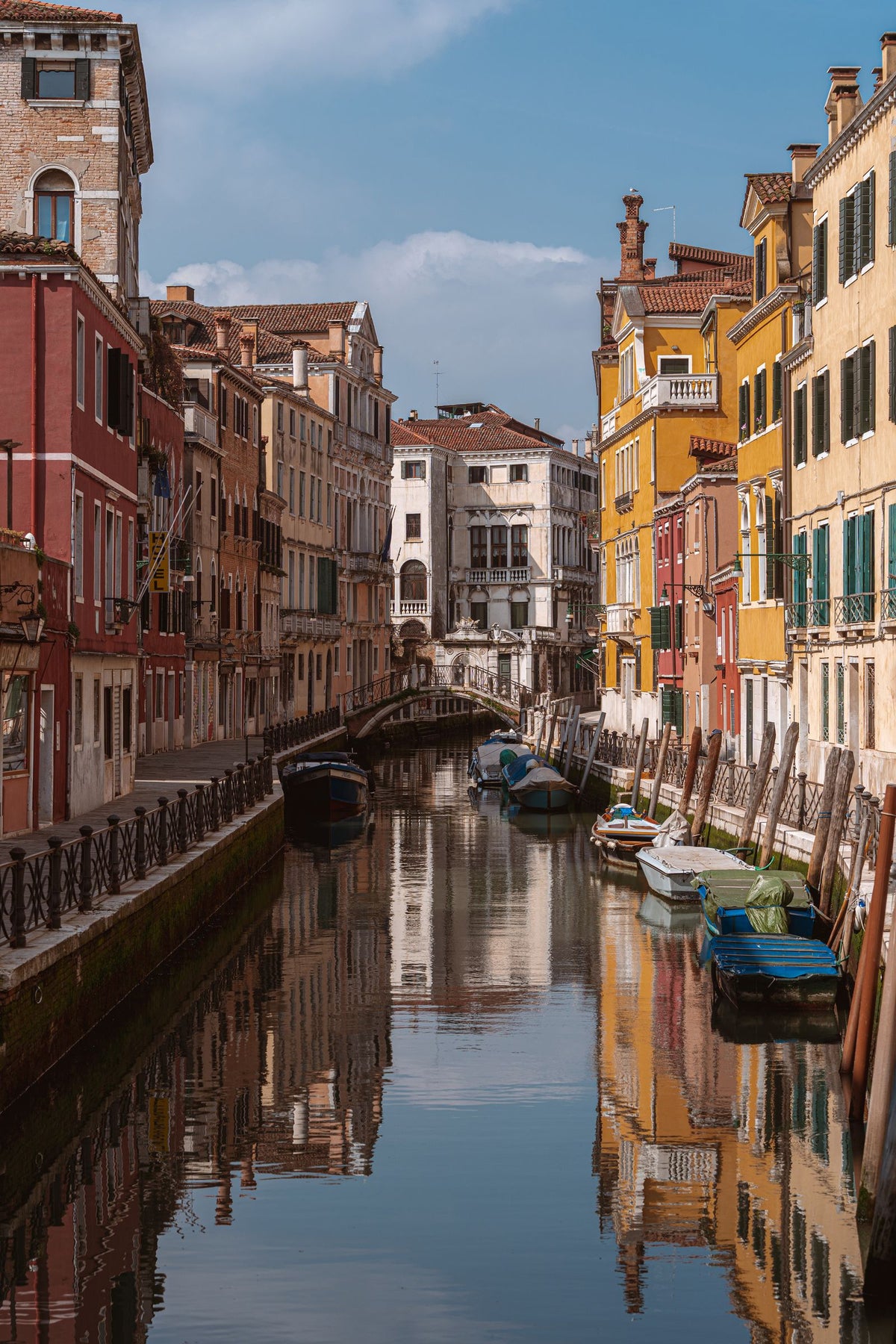
York has a remarkable stock of historic buildings, but Venetian plastering training for people in York is taught at the Zavoré Academy in Birmingham. Students from York make the trip for a 3 or 4 day course, and this guide explains how to choose and plan.
It will interest decorators and plasterers working on York homes, conservation minded builders, hoteliers and property owners who like to understand the craft, interior designers, and anyone who wants a new trade built around skill and materials.
York shows very clearly why traditional, breathable plastering still matters.
Within the city walls you find medieval timber framed buildings along streets like the Shambles, Georgian townhouses on Micklegate, Bootham and Blake Street, and Fairfax House, a Georgian town house on Castlegate. Much of the centre is a conservation area, and many buildings are listed. Walls in older properties need materials that let moisture escape, which is one reason lime based plasters and Marmorino are so well regarded for period work.
Outside the walls there are Victorian terraces in districts such as Bishophill, Holgate and Clifton, along with family houses and a good deal of newer building. In older homes you may be asked to repair or refresh lime plaster. In newer apartments and extensions, polished plaster and microcement give clean modern walls and bathrooms.
York is also a city of visitors. Hotels, restaurants, bars and holiday lets all compete on atmosphere, and a hand finished feature wall in a lobby or dining room helps a venue stand apart from its neighbours. Owners of historic properties will want to deal with someone who understands traditional materials, and your training gives you that vocabulary.
A decorator already working in York can add Venetian plaster as a premium line without changing the rest of the business. Customers who ask for something special for a fireplace wall or a staircase hall are the natural starting point.
Your choice depends on experience and goals, and each course has a distinct purpose.
The Beginner Course covers theory, surface preparation, base coats, textures, how many coats each product needs and how to protect the finish, then Marmorino, polished plaster and metallics. The Advanced Course moves on to artificial rock, stencil work, acrylic polish plastering and polishing to a high gloss. The 1 to 1 option works well when you have a specific project to prepare for.
Up to six students attend each group course. The training page lists dates and offers a way to register interest if none are posted. A half price payment holds your bench and the rest is due on the day, though you may pay in full when booking online.
Students travel to Birmingham by train or by car. Birmingham is central in England, which helps people coming from Yorkshire as much as from the south or west.
Since the course lasts 3 or 4 days, work out where you will stay before you book. Zavoré has a partner rate with a hotel near the Academy, available when you quote Zavoré, and the team can arrange pickup from an airport or station with your booking at a price based on where you arrive. Teaching runs from 10am to 5pm each day, with lunch and refreshments included.
Back in York, you have trade pricing on Zavoré materials, your Zavoré certificate and the panels you made, which you can show to customers. The private course group and its helpline are open for life, which is helpful when you meet an unusual old wall. Advanced students are helped to find, price and win a first paid decorative job.
Zavoré applicators install across the UK, and you can see the style of finished work at Venetian plastering in York. Another useful read is the guide to what happens inside the Advanced Course.
Not in York itself. The courses are taught at the Zavoré Academy in Birmingham, and York students travel there for the 3 or 4 days.
The Beginner Course explains how the materials behave and includes Marmorino, and the Advanced Course shows how acrylic polish plastering differs from lime. That helps you choose the right system for each wall.
If decorative plaster is new to you, start with the Beginner Course. If you want to concentrate on one finish for a client, 1 to 1 Training can be shaped around it.
Expert tuition, all materials and tools, lunch and refreshments, your finished panels and a Zavoré certificate. You also get trade pricing afterwards and a private group with a helpline for life.
You can book by phoning 07592 929191 or emailing sales@zavore.co.uk. Dates are on the training page.
An outline of what limewash training covers about mixing limewash and the risks of slaking lime, and how to ask Zavoré about it.
BasementsA guide to decorative finishes for London basements, covering media rooms, gyms and wine rooms, why waterproofing must come first, and wh...
CheshireAn in depth guide to seamless microcement and tadelakt bathrooms for homes across Cheshire, and how to choose between them.
CheshireA guide to polished plaster and other decorative finishes for the large modern homes of Wilmslow and Alderley Edge, and where they fit in...
CheshireChester and the Cheshire countryside are full of timber framed, Georgian and Victorian buildings. This guide explains why lime finishes s...
Greater ManchesterHow microcement floors work in kitchen extensions across Greater Manchester, from the screed underneath to underfloor heating and everyda...

Providing luxury finishes for the most prestigious addresses in the world
Venetian plaster, limewash, microcement, tadelakt, metallics, sculptural plaster and gold leaf, supplied and installed by our own team, with Venetian plaster taught at our Birmingham studio.
One list, run by the people who make the material. No noise, and nothing we would not want to read ourselves.
We email as the house has something worth saying, never daily. Unsubscribe from any email, or reply STOP to any text. We never pass your details to anyone.