

✦
Where Artistry Begins
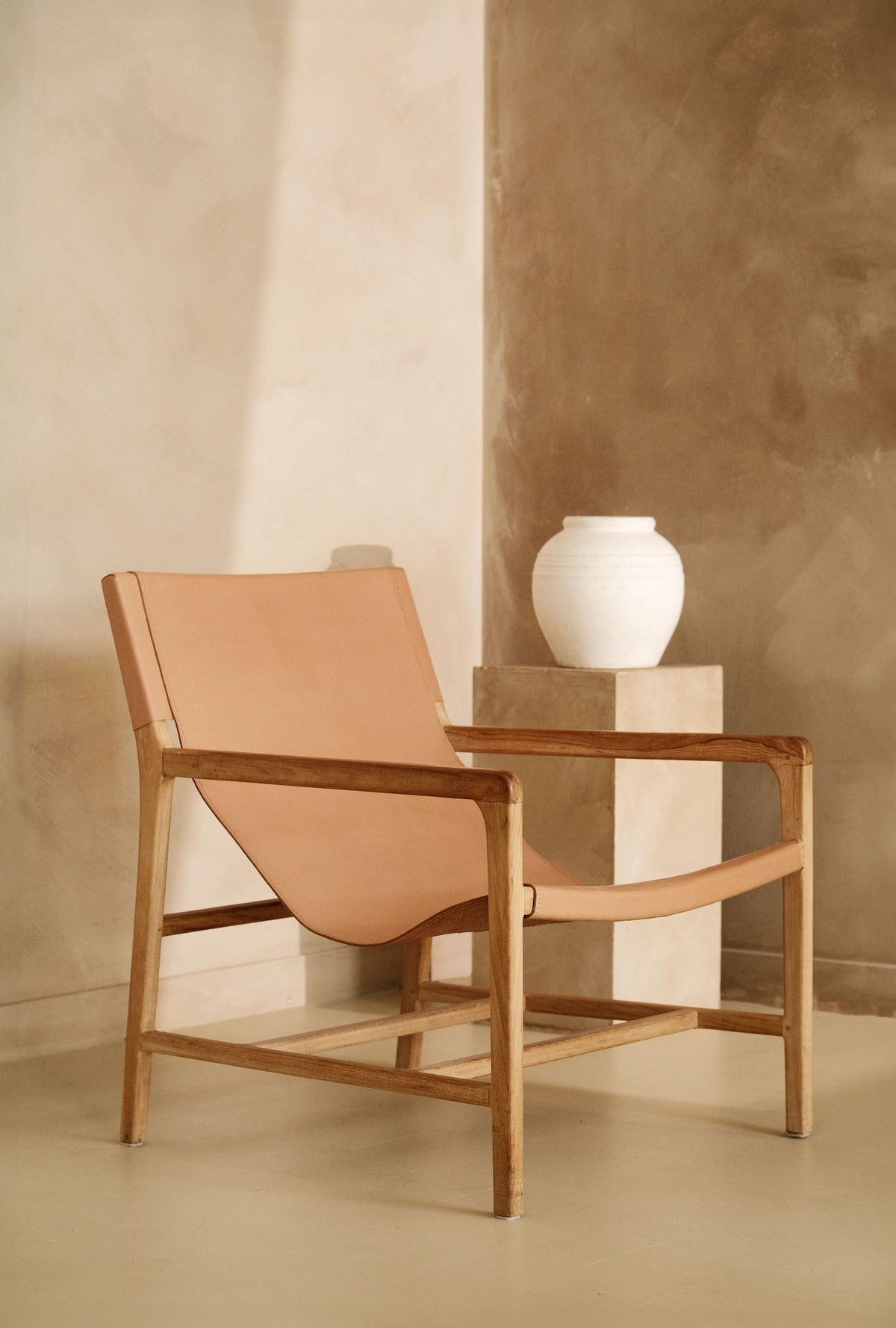
Lime plaster and Venetian plaster are not two different materials. Venetian plaster is a lime plaster: a fine, decorative, polishable one, made from slaked lime and marble dust. The confusion comes from what people in the UK usually mean by lime plaster walls: the thick, breathable base coat plaster and render on period houses, not a polished feature wall. Both are lime. Both breathe. One is structural and rough; the other is thin and beautiful. This article clears up the difference, explains where each belongs, and covers what to put on top, what to do about damp, and how to buy lime finishes in the UK.
Venetian plaster is what Zavoré supplies, installs and teaches, and our own team provides Venetian plaster installation across the UK.
When a builder or a conservation officer says lime plaster, they mean a coarse lime and sand mix, often with hair or fibre in it, applied in thick coats over lath, stone or brick. It is the traditional wall build up in most British houses built before the 1920s. Its job is to be a strong, flexible, breathable plaster, so that moisture in an old solid wall can pass through and evaporate rather than get trapped. Because the lime comes from burnt limestone, you will sometimes hear it called limestone plaster; it is the same lime based plaster.
When we say Venetian plaster, we mean fine lime putty mixed with marble dust, applied in thin coats over a prepared surface and compressed with a trowel to a polished, marble like sheen. It is the finish, not the wall. Our Veneziano Plaster is exactly this, tinted to your colour.
So the honest comparison is lime base coat versus lime finish coat. They are cousins, and in a period house they often sit on the same wall, one on top of the other, both put up by the same lime plastering trade.
Old solid walls manage water differently from modern cavity walls. Rain soaks a little way in, then dries back out. Moisture from inside passes through the plaster and out through the masonry. This only works if every layer is vapour open: lime plaster, lime render, lime paint. Put cement render or plastic paint over a solid wall and the water is trapped, the wall stays damp, and you get blown plaster, salts and black mould.
Lime plasters, coarse and polished alike, are breathable. This is the single biggest reason to specify lime finishes in a period property, and why an acrylic “Venetian effect” paint on an old wall is a mistake even when it looks convincing for the first year.
A common worry: can I put a polished lime finish on a wall that has had damp plaster? Yes, once the damp is fixed at source. Lime finishes tolerate a wall that is slightly moist and drying out, because they let it breathe. They will not survive a wall that is being actively wetted from a leaking gutter, a bridged damp course or raised external ground levels. No finish will. Fix the cause, let the wall dry, then plaster.
If the wall has a history of salts, a lime base coat with a sacrificial render is the conservation answer, and the polished finish goes on once things have settled. This is where a good lime plasterer earns their money.
You have a sound lime base coat. What finishes it?
Never skim over lime with modern plaster and then paint with vinyl emulsion. That is the standard modern quick fix, and it undoes the breathability of everything beneath it. If you are boarding out a solid wall, lime plasterboard (wood fibre or reed board finished in lime) keeps the wall breathing; standard plasterboard does not.
People assume Venetian plaster is a modern look and period houses want limewash. Polished lime plaster predates most British housing stock by centuries. It belongs in a period room; the question is which rooms.
Our rule of thumb: limewash or Intonachino for the walls generally, and a polished finish where the house would originally have had something special: a hall, a drawing room chimney breast, a dining room. A chalky lime paint in a soft historic colour throughout, with one burnished wall in the same shade, is one of the best looking combinations we do. Our colour guide covers choosing that shade.
Period bathrooms are a special case; Tadelakt, itself a lime plaster, is usually the answer there.
Much of what is sold as Venetian plaster in the UK is acrylic: a resin bound coating that looks like polished plaster. It is easier to apply, harder to damage, and it does not breathe. In a modern plasterboard house that is a matter of taste. In a solid walled period house it is the wrong material. The full comparison is in lime versus acrylic Venetian plaster, and the background in what is Venetian plaster.
Coarse lime base coat plasters, hydraulic limes and ready mixed lime plaster in tubs are available from specialist merchants and conservation suppliers, and a good lime plasterer will have a preferred source. What is harder to find is the finish layer: genuine Italian slaked lime polished plasters, textured lime finishes and lime paints, tinted to a specific colour rather than sold as a white base you tint yourself.
That is what our shop is for. Every lime finish is tinted to your colour in the tub and sent on a tracked delivery anywhere in the UK. Veneziano is £200 for 24kg, Intonachino £200 for 24kg, and Lime Paint £47 for 14 litres. To see a polished and a textured lime finish side by side before you choose, a sample board in your colour is £8.
If you are a plasterer who already works with lime base coats and wants to add the finish layer, the Academy beginner course teaches surface prep, base coat, textures and polished plaster from bucket to burnish in three days.
For the traditional Italian term, see what stucco veneziano means and how it is laid.
Plaster with lime as the binder instead of modern plaster or cement. Slaked lime, sand and sometimes hair for base coats; slaked lime and marble dust for polished finishes. It sets by absorbing carbon dioxide from the air, slowly turning back into limestone, which is why it stays flexible and breathable.
By what it looks like. Lime plaster is off white to grey or buff rather than the pink of modern plaster, often has hair or coarse sand visible in a broken edge, and sounds slightly hollow over lath. It is soft enough to mark with a fingernail. In a house built before the 1920s with its original plaster, it is almost certainly lime.
Yes, with a breathable paint: limewash, lime paint or a mineral silicate paint. Vinyl or acrylic emulsion seals the surface, traps moisture and eventually peels. Genuine lime Venetian plaster is breathable too; acrylic Venetian effect products are not.
With lime, yes: a polished lime finish over a sound, cured, primed lime base coat is the ideal build up. With modern plaster, please do not. A modern skim bonds poorly to lime, blocks the breathability, and is the usual cause of blown patches a few years later.
No, once it is on the wall. Wet lime is caustic, so wear gloves and eye protection when mixing and applying, and wash splashes off straight away. Lime itself contains no asbestos. Old walls may have had later materials added, so if you are unsure what is on yours, have it tested before you sand or strip it.
Where to go next: browse the lime finishes in the shop, order them tinted to your colour, and if you are working on a period house and unsure which layer you need, ask us first.
An outline of what limewash training covers about mixing limewash and the risks of slaking lime, and how to ask Zavoré about it.
BasementsA guide to decorative finishes for London basements, covering media rooms, gyms and wine rooms, why waterproofing must come first, and wh...
CheshireAn in depth guide to seamless microcement and tadelakt bathrooms for homes across Cheshire, and how to choose between them.
CheshireA guide to polished plaster and other decorative finishes for the large modern homes of Wilmslow and Alderley Edge, and where they fit in...
CheshireChester and the Cheshire countryside are full of timber framed, Georgian and Victorian buildings. This guide explains why lime finishes s...
Greater ManchesterHow microcement floors work in kitchen extensions across Greater Manchester, from the screed underneath to underfloor heating and everyda...

Providing luxury finishes for the most prestigious addresses in the world
Venetian plaster, limewash, microcement, tadelakt, metallics, sculptural plaster and gold leaf, supplied and installed by our own team, with Venetian plaster taught at our Birmingham studio.
One list, run by the people who make the material. No noise, and nothing we would not want to read ourselves.
We email as the house has something worth saying, never daily. Unsubscribe from any email, or reply STOP to any text. We never pass your details to anyone.