

✦
Where Artistry Begins
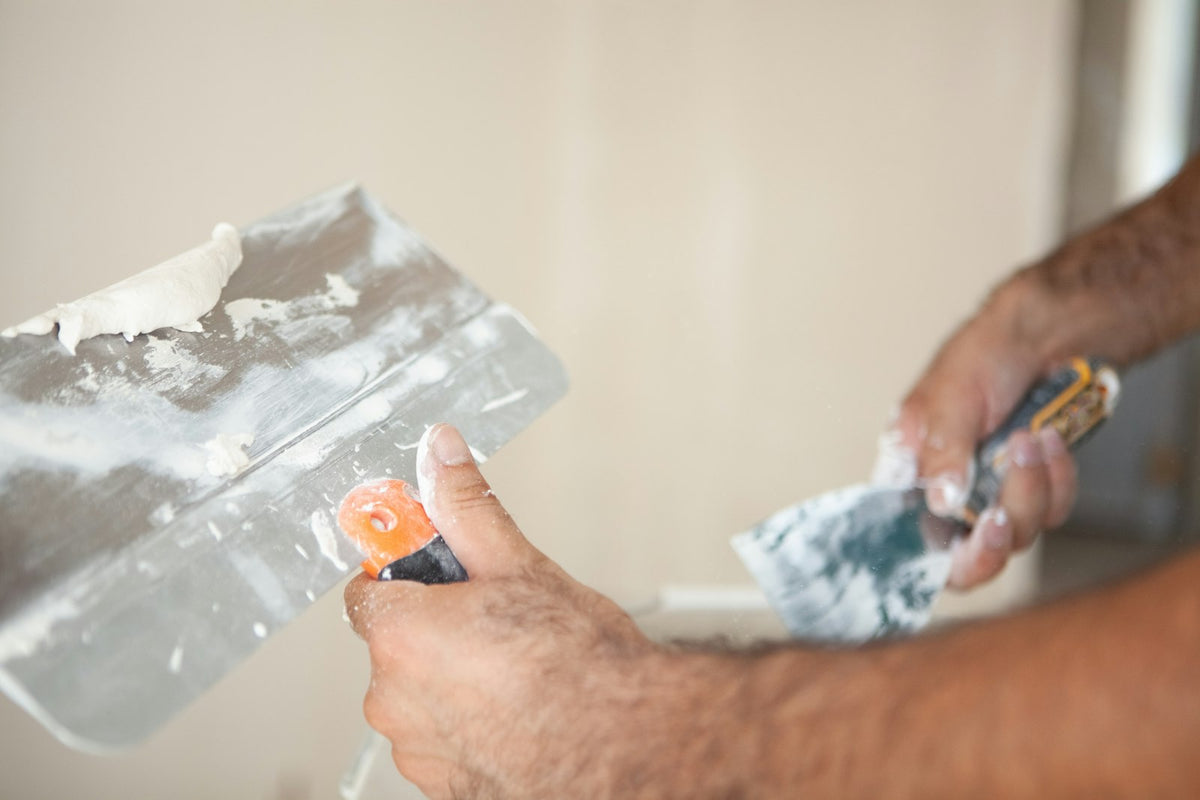
New Venetian plastering needs gentle treatment in its first weeks, while the lime carries on hardening. Zavoré advises keeping the room aired, holding off on hanging pictures and pushing furniture back against the wall, cleaning only with a soft dry cloth, and calling us rather than scrubbing if a mark or knock appears. Once that settling period is over, a waxed lime Venetian plaster wall needs remarkably little care.
You can read more about the finish on our Venetian plaster page, and about how each job is surveyed and laid on the Venetian plaster installation page. Our own artisans install across London and the UK, as set out under Venetian plastering across the UK, and at the end of every job we talk you through what to do next.
Lime plaster does not dry and finish in one go like paint. When the last coat is burnished and waxed, the wall looks complete, but the lime underneath keeps curing and hardening slowly. During that time the surface is a little softer and more open than it will be later, and the wax on top is still settling.
You may notice the colour shift slightly as the wall dries, with some areas looking darker or more mottled than others for a while. That is normal and usually evens out. It is one reason we suggest judging the finished wall after it has had time to settle, rather than on the day the work ends.
Fresh air helps lime cure. Open windows when the weather allows and keep the room ventilated, especially in a kitchen or bathroom where steam builds up. Steady, moderate conditions are kinder to new plaster than sudden heat, so avoid pointing a fan heater or a dehumidifier straight at the wall to speed things up. Underfloor heating and radiators can be used normally, without turning them up hard to dry the room.
If the plaster is in a new build or a fresh extension, the walls behind may still hold moisture from the build. Let the whole room dry evenly. Lime breathes, so that moisture can work its way out over time, which an acrylic finish would not allow because acrylic forms a film.
There is no single date that suits every wall, so ask the team at the end of the job. As a rule, give the wall time before drilling, fixing shelves or hanging heavy frames. When the time comes, a sharp masonry bit and a steady hand avoid chipping the edge of the hole.
Avoid sticking masking tape, adhesive hooks or notices to new plaster, as they can lift the wax or mark the surface when removed. Keep sofas, beds and headboards a hand’s width off the wall at first, so they do not rub or press against it while it hardens.
In the first weeks, use only a soft, dry, lint free cloth or a feather duster for dust. Do not use spray cleaners, multi surface wipes, bleach, solvents or anything abrasive. If something is splashed on the wall, blot it gently straight away rather than wiping hard. Later, once the plaster has settled, a slightly damp soft cloth is fine for most marks.
Grease and food splashes near a kitchen worktop are the most common problem. Keep Venetian plaster away from directly behind a hob, and blot rather than rub any splash. In a bathroom, keep the plaster to the dry walls, because Venetian plaster is not for inside showers.
The wax is buffed in by hand as the final step of the job. You do not need to add more in the first weeks. Over time, areas that are touched often, such as beside light switches or along a hallway, can be lightly rewaxed and buffed, and we can advise on when that is worth doing.
If the wall is knocked, resist the urge to rub at it. Many light marks buff out once the plaster has hardened. A chip or dent can be filled and polished locally with plaster from the same tinted colour, so keep a note of your house colour or NCS reference. Call us and we will advise or arrange a repair.
As lime dries, some areas can look darker or more mottled for a while, especially where coats were thicker or the wall behind was damper. This usually evens out as the wall settles. If it has not after a good while, send us photos.
A dehumidifier running gently in the room is fine, but do not point it at the wall or run heaters hard to speed things up. Steady, even drying is better for lime than forcing it.
Not in the first weeks. Later, busy spots may benefit from a light rewax and buff. Ask us before using any product, so the wax suits the finish laid on your wall.
Ideally the installer, using plaster tinted to the same colour. A careful local repair blends far better than filler and paint, which will always show on a polished lime wall.
If you have a question about your new walls, call +44 7592 929191 (Monday to Saturday, 9am to 6pm) or email sales@zavore.co.uk with photos of the wall and the address.
An outline of what limewash training covers about mixing limewash and the risks of slaking lime, and how to ask Zavoré about it.
BasementsA guide to decorative finishes for London basements, covering media rooms, gyms and wine rooms, why waterproofing must come first, and wh...
CheshireAn in depth guide to seamless microcement and tadelakt bathrooms for homes across Cheshire, and how to choose between them.
CheshireA guide to polished plaster and other decorative finishes for the large modern homes of Wilmslow and Alderley Edge, and where they fit in...
CheshireChester and the Cheshire countryside are full of timber framed, Georgian and Victorian buildings. This guide explains why lime finishes s...
Greater ManchesterHow microcement floors work in kitchen extensions across Greater Manchester, from the screed underneath to underfloor heating and everyda...

Providing luxury finishes for the most prestigious addresses in the world
Venetian plaster, limewash, microcement, tadelakt, metallics, sculptural plaster and gold leaf, supplied and installed by our own team, with Venetian plaster taught at our Birmingham studio.
One list, run by the people who make the material. No noise, and nothing we would not want to read ourselves.
We email as the house has something worth saying, never daily. Unsubscribe from any email, or reply STOP to any text. We never pass your details to anyone.