

✦
Where Artistry Begins
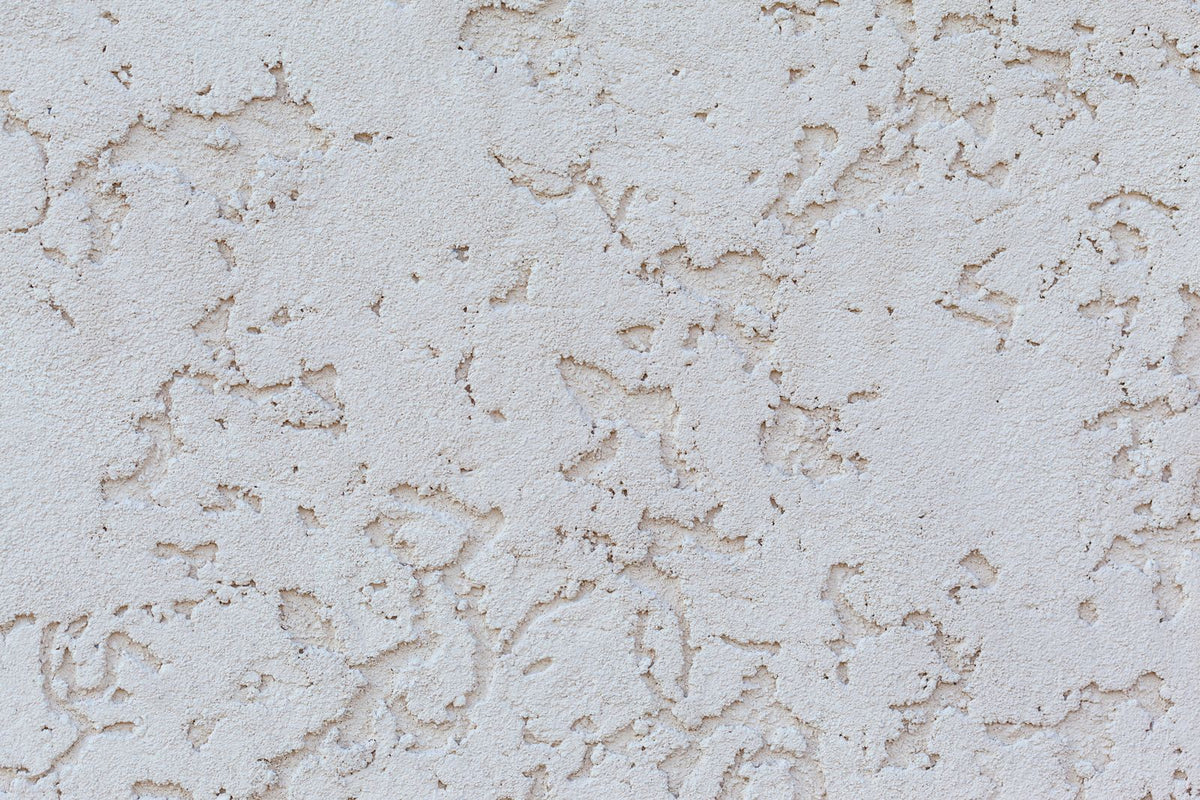
Caring for a bas relief wall is mostly gentle dusting, occasional careful cleaning matched to its finish, and calling for help early if it chips or cracks. A sculpted plaster wall has more ledges and hollows than a flat one, so a soft dry brush does most of the work. Zavoré sculpts bas relief by hand for homes across the UK and can advise on care and repairs for the finish you have.
If you are still choosing a design, our bas relief wall page shows the range, and the bas relief installation page explains how a piece is made. Our own artisans carry out sculpting and repairs wherever you live, just as they do for Venetian plastering across the UK.
Dust settles on every upward facing ledge of a relief, on the tops of leaves, along raised lettering and in the crease where a carved shape meets the background. Left for months it dulls the shadows that make the design readable. A soft natural bristle brush, such as a clean decorating or make up brush, lifts it out of the hollows without scratching. Work from the top of the wall down so loose dust falls onto areas you have not yet done, and follow the direction of the carving rather than scrubbing across it.
A vacuum cleaner on its lowest setting with a soft brush head, held just off the surface, can help on a large sculpted plaster wall. Keep the nozzle from knocking against the raised parts. A feather duster is fine for a quick pass, though it tends to push dust into corners rather than remove it.
Sometimes, and lightly. The right approach depends on the finish, so it helps to know which one your relief carries.
Whatever the finish, avoid bleach, abrasive pads, cream cleaners and solvent sprays. Household products are the main risk to a sculpted surface. If a mark will not lift with a soft cloth, leave it and send us a photo rather than working at it.
A carved wall is robust in normal living, but a few things cause most of the trouble.
A small chip on a leaf tip or a lettered edge can usually be rebuilt in plaster and carved back to the original shape, then finished to match. Because every relief is sculpted by hand, the repair is sculpted by hand too, which means it can follow the form closely rather than leaving a filled patch. Photographs of the wall when it was new are a great help, so keep a few.
Cracks need a little more thought. A fine crack that follows a plasterboard joint or a line in the wall behind is a sign of movement, and filling it without understanding why it appeared often means seeing it again. We ask for photos first, then look at the cause before suggesting a repair. Where a crack runs through a large part of the design, a section may need to be cut back and resculpted.
Please do not fill chips with ordinary decorating filler. It sets differently from the relief, takes colour differently and is much harder to remove than it was to apply.
Keep a record of the finish and colour your relief was made with, whether one of our 48 house colours or an NCS reference. Materials are tinted to the approved sample, so with that reference a touch up can be matched closely. Our sample board is a handy way to compare colours if you are unsure what you have. A painted relief can often be refreshed in place, and a white relief can be brought back to an even surface where it has picked up marks over the years.
Little and often is easiest. A light pass with a soft brush every few weeks keeps dust from building up in the hollows, and a more careful dust from top to bottom every few months keeps the shadows crisp. Kitchens, hallways and bedrooms tend to need it more.
You can, but be careful. Thick paint fills fine carving and softens edges, and lime breathes while many acrylic paints form a film over it. Ask us first which paint suits your finish, or let us refresh it so the detail stays sharp.
Not necessarily. Many hairline cracks come from small movement and stay stable, but some grow if the cause continues. Photograph it, note its length and send the photos to us so we can say whether it needs attention.
Usually, yes. Because it is sculpted by hand, a damaged area can be rebuilt and carved to follow the original. Having the colour reference and photos from when it was new makes the match much easier.
If your relief needs a repair or you want advice on caring for it, call +44 7592 929191 (Monday to Saturday, 9am to 6pm) or email sales@zavore.co.uk with clear photos of the wall and any damage, rough measurements and the address. We will tell you what we think and how it can be put right.
An outline of what limewash training covers about mixing limewash and the risks of slaking lime, and how to ask Zavoré about it.
BasementsA guide to decorative finishes for London basements, covering media rooms, gyms and wine rooms, why waterproofing must come first, and wh...
CheshireAn in depth guide to seamless microcement and tadelakt bathrooms for homes across Cheshire, and how to choose between them.
CheshireA guide to polished plaster and other decorative finishes for the large modern homes of Wilmslow and Alderley Edge, and where they fit in...
CheshireChester and the Cheshire countryside are full of timber framed, Georgian and Victorian buildings. This guide explains why lime finishes s...
Greater ManchesterHow microcement floors work in kitchen extensions across Greater Manchester, from the screed underneath to underfloor heating and everyda...

Providing luxury finishes for the most prestigious addresses in the world
Venetian plaster, limewash, microcement, tadelakt, metallics, sculptural plaster and gold leaf, supplied and installed by our own team, with Venetian plaster taught at our Birmingham studio.
One list, run by the people who make the material. No noise, and nothing we would not want to read ourselves.
We email as the house has something worth saying, never daily. Unsubscribe from any email, or reply STOP to any text. We never pass your details to anyone.