

✦
Where Artistry Begins
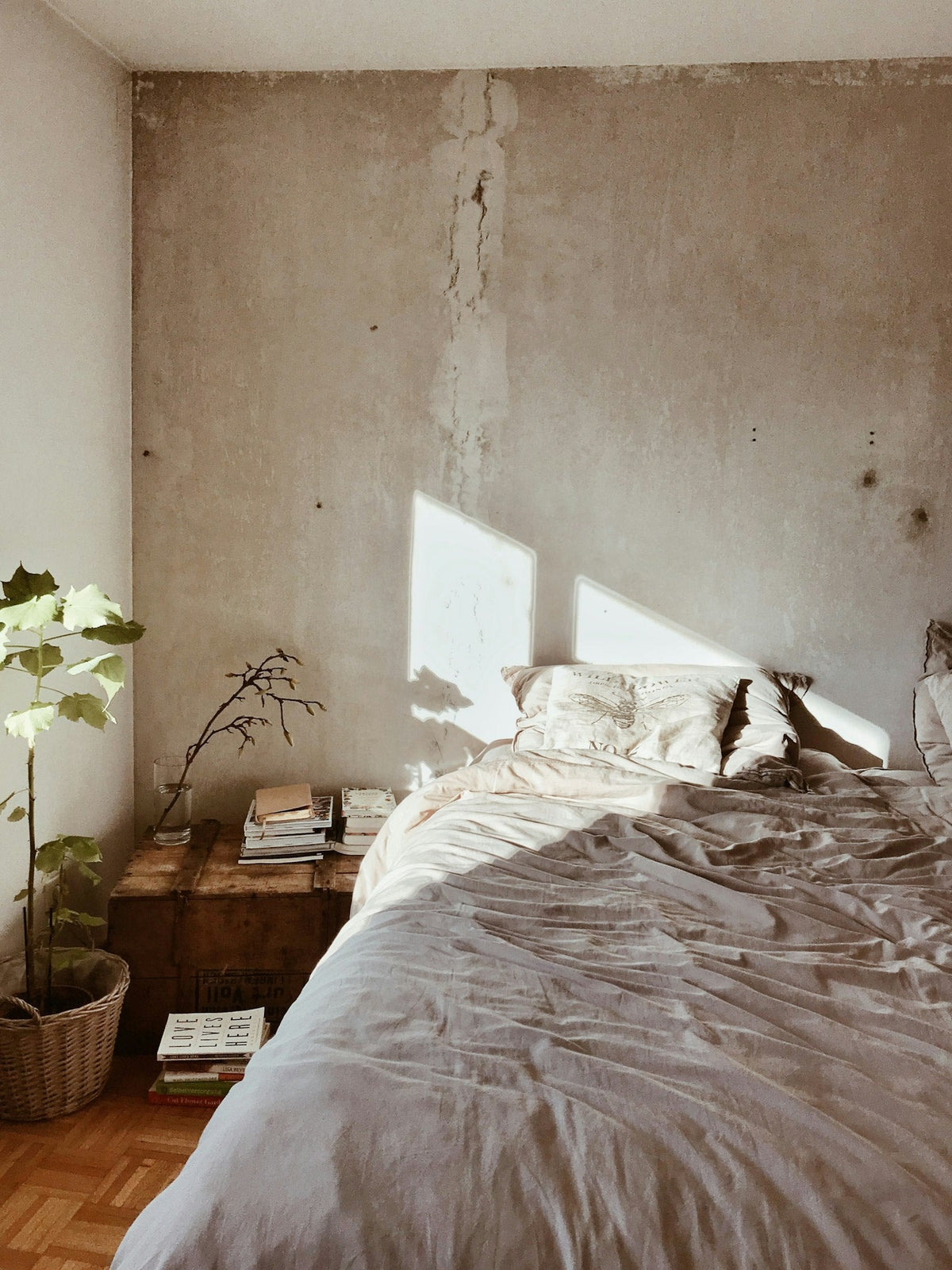
A polished plaster feature wall works in almost every room of the house, as long as you pick the wall people naturally look at. Behind the sofa in a living room, behind the bed in place of a headboard, along a hall, at the end of a dining table, on a fireplace wall or around the TV are the strongest choices. Zavoré installs polished plaster feature walls across London and the UK with our own artisans.
Our page on polished plaster explains the finish and how it is laid, and feature walls shows every material we use for a single statement wall, from Venetian plaster to liquid metal and bas relief. To see where we install, visit Venetian plastering across the UK.
Key points
In most living rooms the answer is the wall behind the sofa or the wall facing it. Both are seen every time you enter and every time you sit down. A polished plaster surface there gives the room depth without adding furniture, and the sheen changes gently as daylight moves round and lamps come on.
In a long through lounge, the end wall can work just as well, drawing the eye to the far side of the room and making it feel more generous. Warm stone, soft taupe and pale grey are calm choices, while a deep green or charcoal turns the wall into a backdrop for art and lighting. Either way, the rest of the room can stay simple.
Yes, and it is one of the most effective bedroom ideas. Polished plaster on the wall behind the bed acts as a headboard without the bulk, and it gives a bedroom a quiet, hotel like calm. A soft, low sheen finish in a muted colour keeps the mood restful, and the wall can run the full width of the room or stop neatly at the edges of the bed.
For a richer effect, the feature wall page shows sculpted bas relief and hand painted chinoiserie used behind the bed. Lime based plaster also breathes, which makes it a comfortable choice for the room where you sleep.
Halls are seen by everyone who comes into the house, and people walk close to the walls, so hand laid plaster is at its most noticeable here. A polished plaster wall at the foot of the stairs, or a stairwell finished from floor to ceiling, can make a narrow hall feel taller and more finished.
Because halls take bags, shoulders and the odd bicycle, think about where the most delicate finish goes. A tougher choice on the lower part of the wall with polish above, or panel mouldings with limewash, can be more practical. Marmorino, with its softer surface, is also a good fit in busy halls.
Dining rooms are mostly used in the evening, under warm, low light, and that is where deep, glossy polished plaster comes into its own. The wall at the head of the table, or the one behind a sideboard, is usually the right place. Rich colours such as oxblood, deep blue or dark green feel intimate by candlelight, and the sheen picks up every flicker.
If the dining area is part of an open plan kitchen, a feature wall can define the space without building anything. Keep the polished plaster away from the hob and sink, where splashes and grease are constant.
Both are natural focal points. A fireplace wall already holds the eye, so polished plaster across the chimney breast, or across the whole wall, adds weight and calm to that focus. Take advice on heat and clearances around any stove or open fire, and leave the hearth and surround to the material that suits them.
A TV wall has a different job. It should frame the screen without competing with it, so a matt or low sheen finish in a darker tone often works better than a high polish, because it reflects less light around the picture. Fluted sculptural plaster behind the television is another idea shown on our feature walls page. Plan cables and brackets before the plaster goes on, so the finish is not cut into later.
Preparation decides how the finish looks. Polished finishes show every dip, so a wall that seems flat under emulsion may need skimming first. Plasterboard joints need reinforcing and the right primer. Lime breathes and suits solid masonry, while acrylic forms a film, and we choose between them at the survey based on the wall and the room. Lime is caustic while wet, so floors and furniture are protected.
Living rooms and bedrooms are natural choices, because the wall behind the sofa or the bed is seen constantly. Halls and dining rooms come close behind. The right wall is the one you look at most, and it needs to be flat.
Not inside the shower. Venetian plaster is not for wet areas, so for a shower wall choose tadelakt or microcement on a waterproofed wall. The sealer makes microcement washable, while the wall behind a shower still needs tanking. Polished plaster can go on a dry wall away from water.
Pale stone and warm whites suit bright rooms used by day. Deep greens, blues and charcoals suit rooms used in the evening. Choose from 48 house colours or any NCS reference, and view the sample board in the room morning and evening before you decide.
Yes. Panel mouldings with plaster, a mural framed by cornice or bas relief rising from a polished surface are all possible, and the feature walls page shows the range. We plan every part together so the finishes meet cleanly.
To plan a polished plaster feature wall, call +44 7592 929191 (Monday to Saturday, 9am to 6pm) or email sales@zavore.co.uk with photos, rough measurements and the address. You are welcome to see the finishes at our London showroom and training centre by appointment.
An outline of what limewash training covers about mixing limewash and the risks of slaking lime, and how to ask Zavoré about it.
BasementsA guide to decorative finishes for London basements, covering media rooms, gyms and wine rooms, why waterproofing must come first, and wh...
CheshireAn in depth guide to seamless microcement and tadelakt bathrooms for homes across Cheshire, and how to choose between them.
CheshireA guide to polished plaster and other decorative finishes for the large modern homes of Wilmslow and Alderley Edge, and where they fit in...
CheshireChester and the Cheshire countryside are full of timber framed, Georgian and Victorian buildings. This guide explains why lime finishes s...
Greater ManchesterHow microcement floors work in kitchen extensions across Greater Manchester, from the screed underneath to underfloor heating and everyda...

Providing luxury finishes for the most prestigious addresses in the world
Venetian plaster, limewash, microcement, tadelakt, metallics, sculptural plaster and gold leaf, supplied and installed by our own team, with Venetian plaster taught at our Birmingham studio.
One list, run by the people who make the material. No noise, and nothing we would not want to read ourselves.
We email as the house has something worth saying, never daily. Unsubscribe from any email, or reply STOP to any text. We never pass your details to anyone.