

✦
Where Artistry Begins
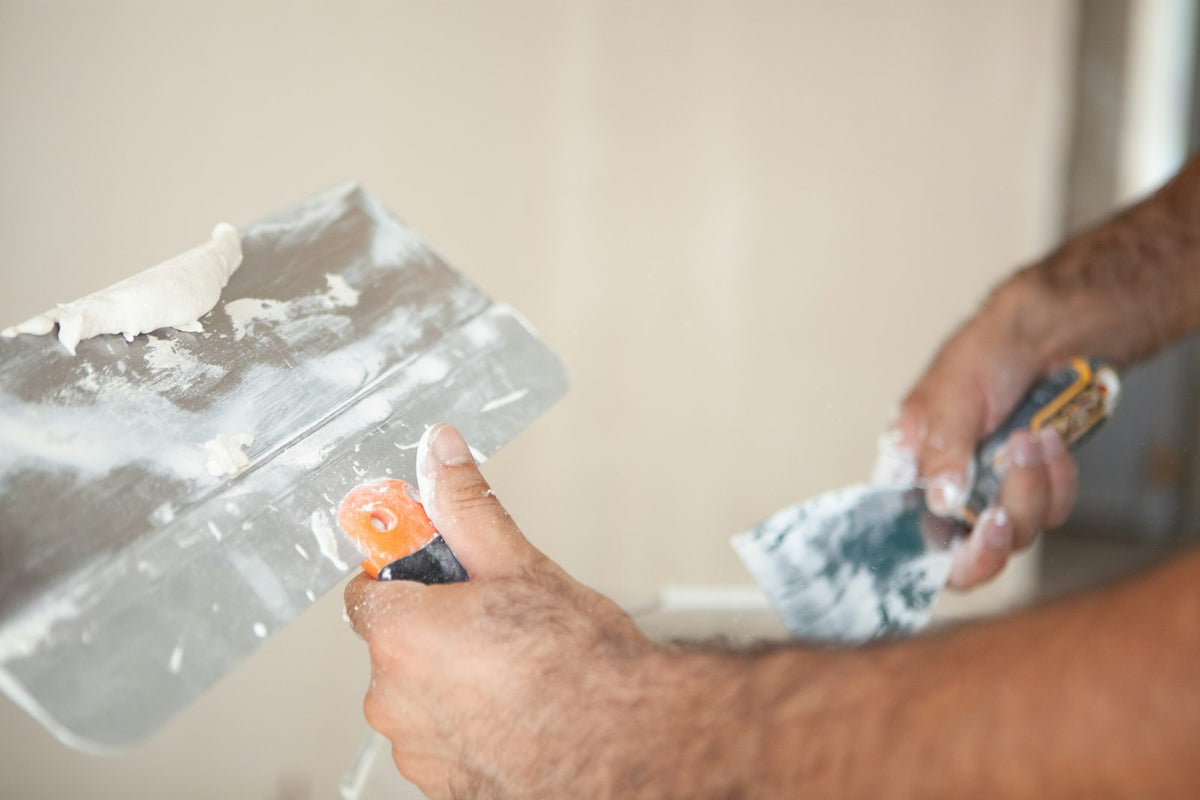
Decorative plastering sits at the premium end of the decorating trade for a simple reason: clients pay for walls a roller cannot imitate, and there are far fewer people who can produce those walls than there are rooms that want them. For someone with patience and a good hand, it is one of the most rewarding routes in the building crafts, creatively and financially. Here is an honest map of the way in.
The craft is learned through the hands. Reading and watching videos will teach you the vocabulary, but the feel of the material, when it is open, when it is closing, how hard the steel can press, only arrives through hours on the trowel with someone correcting you pass by pass. The other half of the job is preparation and patience: the finish everyone photographs is the last tenth of the work.
A background in plastering or decorating helps but is not required; some of the best decorative hands come from other crafts entirely, or from none. What matters more is precision, calm and the willingness to practise. Beginners who put in bench hours are usually producing walls they are proud of on their second or third attempt.
Learn the foundation finishes first: substrate preparation, base coats and marmorino, from bucket to burnish. Build sample boards as you go; they become your first portfolio, and clients choose from boards, not promises. Then add the advanced finishes, artificial rock, vein work and polishing to a high gloss, and with them the business skills that decide whether the craft pays: how to price a wall, when to sample, how to specify for a designer, and when to walk away from a job that is priced to fail.
Our Academy runs this exact route. The Beginner Course is three days on the trowel at £750. The Advanced Course is four days across artificial rock, textured marmorino, vein work, high gloss polishing, tinting and waxes, plus pricing and specification for high end clients, at £1,200. Both are capped at six benches so the tutors can focus on each student, and everything is provided: materials, tools, boards and lunch. For those who want the whole course built around them, 1 to 1 training with a working master runs at £1,500 for three days.
Students leave with their finished boards, a certificate, trade pricing on materials and a lifetime helpline, and Advanced students get first job support. We help you find, price and win your first paid decorative job. If you are weighing it up, call us on 07592 929191 and we will tell you straight which course fits.
An outline of what limewash training covers about mixing limewash and the risks of slaking lime, and how to ask Zavoré about it.
BasementsA guide to decorative finishes for London basements, covering media rooms, gyms and wine rooms, why waterproofing must come first, and wh...
CheshireAn in depth guide to seamless microcement and tadelakt bathrooms for homes across Cheshire, and how to choose between them.
CheshireA guide to polished plaster and other decorative finishes for the large modern homes of Wilmslow and Alderley Edge, and where they fit in...
CheshireChester and the Cheshire countryside are full of timber framed, Georgian and Victorian buildings. This guide explains why lime finishes s...
Greater ManchesterHow microcement floors work in kitchen extensions across Greater Manchester, from the screed underneath to underfloor heating and everyda...

Providing luxury finishes for the most prestigious addresses in the world
Venetian plaster, limewash, microcement, tadelakt, metallics, sculptural plaster and gold leaf, supplied and installed by our own team, with Venetian plaster taught at our Birmingham studio.
One list, run by the people who make the material. No noise, and nothing we would not want to read ourselves.
We email as the house has something worth saying, never daily. Unsubscribe from any email, or reply STOP to any text. We never pass your details to anyone.