

✦
Where Artistry Begins
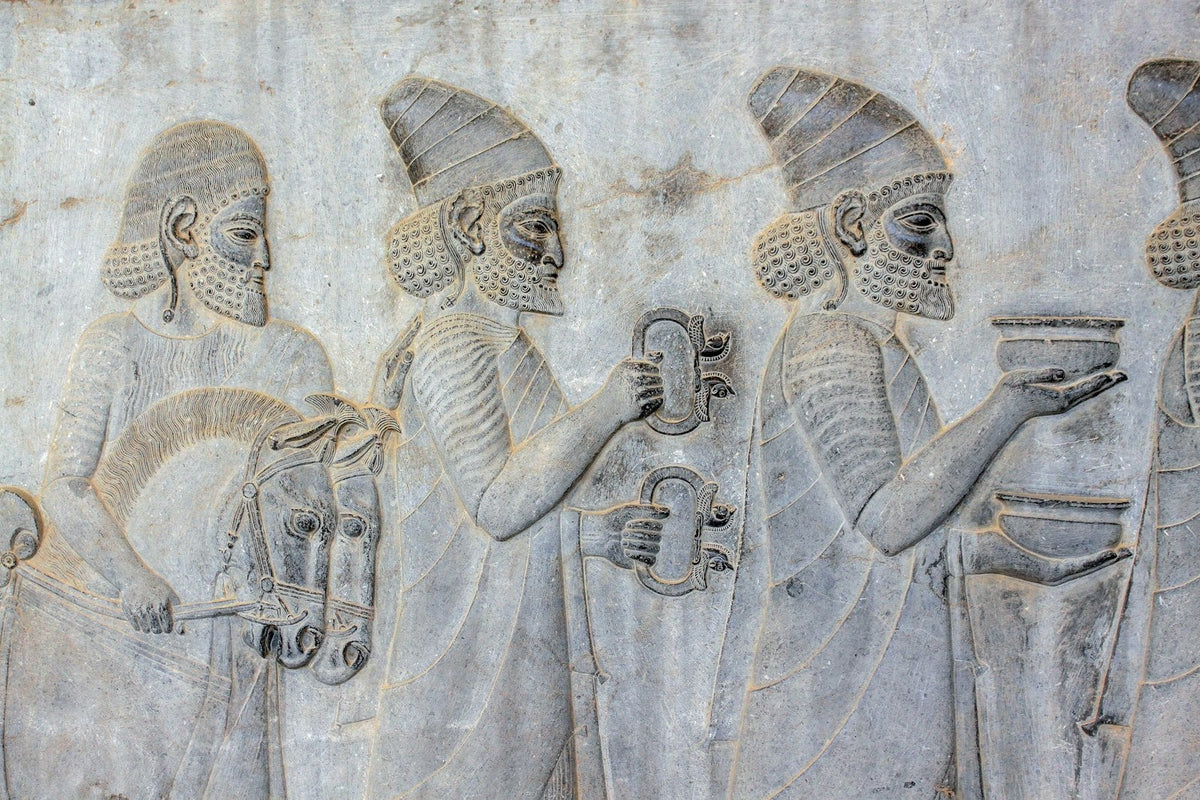
Bas relief, high relief and sunk relief are three ways of carving or modelling figures so that they stay attached to a flat background. In bas relief, or low relief, the design projects only slightly from the surface. In high relief, the forms stand out at least half their natural depth and parts may come completely free of the background. In sunk relief, the design is cut below the surface, so it sits within the wall rather than in front of it. This guide gives the definitions, famous examples of each, how relief is made in plaster today, and how to choose the right one for a wall.
Would you rather have it done for you? Our own applicators provide bas relief installation across the UK.

Britannica defines relief as any work in which the figures project from a supporting background, usually a flat surface. It sits between painting and sculpture in the round. You see it from the front, like a picture, but it has real depth that catches light and casts shadow. Relief is grouped by how far the forms project, and Britannica names the main kinds below.
In bas relief the design projects only slightly from the ground, and there is little or no undercutting of the outlines. Because nothing stands far out, bas relief is subtle, suits long friezes and is forgiving in a busy space.
In high relief, Britannica says, the forms project at least half or more of their natural circumference from the background and may in parts be completely free of it, coming close to sculpture in the round. Middle relief falls roughly between the two. High relief gives the strongest shadows and the most drama.

In sunk relief, also called incised relief, the carving is cut below the level of the surrounding surface and contained within a sharply incised outline. Britannica notes that this outline frames the image with a strong line of light and shade. Intaglio is related but carved as a negative image, like a mould.
Sunk relief is closely linked with ancient Egypt. The Metropolitan Museum of Art explains, in describing its limestone relief of Akhenaten Sacrificing a Duck, that the technique suited the outside walls of temples because the outlines cast shadows in strong sunlight. In the Amarna period, almost all relief was carved this way.

Stone and bronze reliefs are carved or cast in a workshop. Plaster gives another option, because it can be modelled directly onto the wall. Zavoré sculpts bas relief by hand in plaster on site. The design is agreed first, then the relief is built up and shaped in place, so it follows the wall exactly and has no joins or frame. The finished relief can be left white, painted or lit, and its depth can be chosen for the wall and the room.
The alternative is a cast relief, where a panel is moulded from a model and fixed to the wall. Casting suits repeats and patterns, while sculpting on site suits one off designs and anything that needs to wrap around a corner, an alcove or a curve.

For relief work in real homes, read about bas relief and sculptural walls in Surrey homes.
Bas relief, or low relief, is carving or modelling in which the design projects only slightly from a flat background, with little or no undercutting.
Depth. Bas relief stays close to the surface, while high relief projects at least half the natural depth of the forms and may stand partly free of the background.
The British Museum holds part of the Parthenon frieze and metopes, and the V&A displays Donatello's shallow marble Ascension relief.
Yes. Zavoré sculpts bas relief by hand in plaster on site, across the UK, and it can be left white, painted or lit.
Where to go next. See our 3D Wall Art and Bas Relief page, read about sculptural wall art in all its forms, or browse sculptural plaster walls and panels. To talk through a design, contact us, call or WhatsApp 07592 929191, or email sales@zavore.co.uk.
An outline of what limewash training covers about mixing limewash and the risks of slaking lime, and how to ask Zavoré about it.
BasementsA guide to decorative finishes for London basements, covering media rooms, gyms and wine rooms, why waterproofing must come first, and wh...
CheshireAn in depth guide to seamless microcement and tadelakt bathrooms for homes across Cheshire, and how to choose between them.
CheshireA guide to polished plaster and other decorative finishes for the large modern homes of Wilmslow and Alderley Edge, and where they fit in...
CheshireChester and the Cheshire countryside are full of timber framed, Georgian and Victorian buildings. This guide explains why lime finishes s...
Greater ManchesterHow microcement floors work in kitchen extensions across Greater Manchester, from the screed underneath to underfloor heating and everyda...

Providing luxury finishes for the most prestigious addresses in the world
Venetian plaster, limewash, microcement, tadelakt, metallics, sculptural plaster and gold leaf, supplied and installed by our own team, with Venetian plaster taught at our Birmingham studio.
One list, run by the people who make the material. No noise, and nothing we would not want to read ourselves.
We email as the house has something worth saying, never daily. Unsubscribe from any email, or reply STOP to any text. We never pass your details to anyone.