

✦
Where Artistry Begins
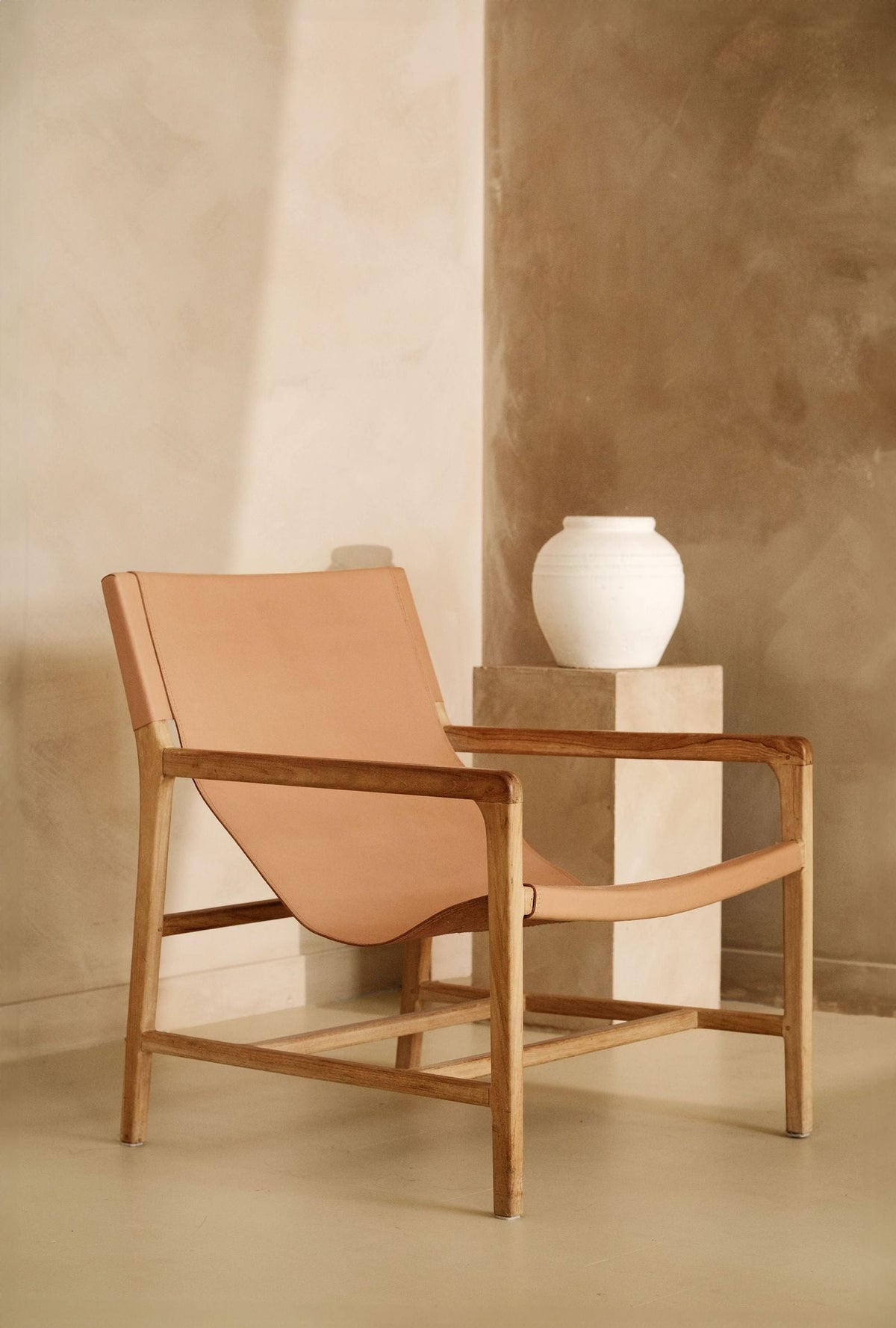
Limewash vs chalk paint: limewash is a mineral finish made from slaked lime and pigment that soaks into a porous wall and hardens by taking carbon dioxide out of the air, while chalk paint is a water based paint, usually acrylic or vinyl bound, loaded with chalk and other fine fillers. That dries as a very matt film on top of whatever it is brushed onto. They look similar in a photograph. They are not the same class of material, they belong in different places, and only one of them breathes.
If you want it installed, our own applicators handle limewash installation from survey to final coat.
If the decision is about furniture, chalk paint is almost always the right answer. If it is about walls in an older or solid walled house, it usually is not.
Chalk paint, also sold as chalky, chalk finish or chalky matt paint, is a decorative paint with a high proportion of calcium carbonate and other extenders in the mix. The chalk is what kills the sheen and gives the powdery, velvety look. The binder underneath is a synthetic resin, which is what makes it stick to varnished wood, laminate and metal with little or no primer. Most chalk paints are then waxed or given a matt varnish, because the bare film is porous and marks easily.
The word “chalk” describes the filler, not the binder. It is worth saying plainly: chalk paint is paint. There is no lime chemistry in it.
Limewash is limestone burnt to quicklime, slaked into lime putty, thinned to a brushable consistency and coloured with alkali stable pigments. There is no plastic in it. As it dries, the calcium hydroxide slowly reverts to calcium carbonate and bonds into the surface of the wall rather than sitting on it. That is carbonation, and it is why limewash keeps hardening for weeks and why a limewashed wall ages instead of peeling.
Our tinted lime paint is £47 for 14 litres, tinted to your colour in the tub. The finish, and the rooms it suits, are covered on the limewash page.
| Limewash | Chalk paint | |
|---|---|---|
| Binder | Slaked lime, mineral | Acrylic or vinyl resin, synthetic |
| How it sets | Carbonates into the surface over weeks | Film forms as the water evaporates |
| Bond | Chemical and mechanical, into a porous surface | Adhesive film over almost any sound surface |
| Breathability | High | Low |
| Surfaces | Lime plaster, brick, stone, mineral primed walls | Wood, laminate, metal, previously painted walls |
| Look | Chalky, cloudy, shifts with the light | Chalky, flat, even |
| Applied with | Wide soft brush, cross hatched, thin coats | Brush or roller, normal coats |
| Needs sealing | Optional, a breathable sealer in hard used areas | Usually yes, wax or matt varnish |
| pH | Strongly alkaline, hostile to mould | Neutral, depends on added biocides |
| Repair | Brush a fresh coat; blends as it weathers | Patches tend to flash; often needs recoating |
| Wear pattern | Thins and softens | Scuffs, then chips at edges |
A solid brick or stone wall with no cavity manages moisture by letting it move in and out. Cover the inside face with a resin film and the moisture collects behind it: the plaster softens, salts migrate to the surface and the paint blisters off. Limewash lets that wall dry inwards. A chalk paint, for all its matt looks, is still a film.
On a dry, modern plasterboard partition none of this applies. Choose limewash there because you want the depth and the movement, not because you have convinced yourself the wall needs to breathe.
Both are matt, and matt marks. The difference is what happens next. Chalk paint chips at corners and along edges, and once the wax or varnish over it is scratched, dirt gets into the porous film underneath and does not come back out. Limewash wears by thinning, which looks like age rather than damage, and it can be refreshed by brushing another coat over the wall without any stripping.
Neither is a wipe clean surface. In a hallway, a stairwell or anywhere with children and dogs, limewash wants a breathable sealer and chalk paint wants a matt varnish, and both will still show life. Common limewash complaints, chalking included, are collected in limewash problems and fixes.
This is the honest part. Chalk paint exists because it grips varnished, glossy and awkward surfaces without stripping or priming, and because it distresses and waxes beautifully. For a chest of drawers, a kitchen cabinet door or a painted table it is the better product by a long way.
Limewash on furniture makes very little sense. It needs a porous mineral surface to bond into, it will not stick to varnish, and it is not built to take handling. We do not sell lime for furniture and would not recommend it for that.
On walls the balance tips. Limewash gives a depth that no film can copy, because the coat varies in thickness across the wall and the pigment settles unevenly by design. The wall reads differently from one end to the other and differently at four in the afternoon than at nine in the morning. Deeper colours cloud more; pale ones are quieter but still alive. How to get colour right, including the fact that lime dries lighter than it looks wet, is in choosing limewash colours.
Lime is also alkaline, which mould does not enjoy, a real property of the material, not a marketing line. It will not cure a damp problem, but in a cool north facing room it is a meaningful advantage over a sealed film.
Chalk paint on walls gives you a flat, even, contemporary matt, applied quickly over an existing painted surface. If that is what you want, it is a perfectly sensible choice and cheaper to do.
Limewash over chalk paint needs a mineral primer, because lime cannot bond into a resin film. Our primer handles sound painted walls, and the wall needs washing and abrading first. Going the other way, chalk paint over fully carbonated limewash, works if the surface is sound and dusted down, but you have then sealed in the breathability you paid for.
For the technique side, brush choice, thinning, cross hatching, holding a wet edge. See how to apply limewash. It is closer to washing a wall than painting it, and how far a tub goes depends on the porosity of the surface, which is why we keep the figures in the coverage guide rather than quoting them loosely.
No. Chalk paint is a synthetic bound paint with chalk as a filler; limewash is slaked lime that carbonates into the wall. They share a matt, powdery look and nothing else. Chalk paint forms a film on almost any surface; limewash bonds into porous mineral surfaces and breathes.
You can, but on a solid wall in an older house you lose the breathability, which is usually the reason limewash was suggested in the first place. Moisture trapped behind a film shows up as soft plaster, salts and blistering. On a dry modern wall the choice is purely about the look.
Neither is wipe clean. Chalk paint sealed with a matt varnish resists knocks better in the short term. Limewash ages better over years, because it wears thin instead of chipping and can be refreshed with a single brushed coat rather than stripped and repainted.
Not sensibly. Limewash needs a porous mineral surface to bond into, will not hold on varnish or laminate, and is not made for handling. Use chalk paint or a proper cabinet paint there. Keep lime for plaster, brick, stone and mineral primed walls.
Where to go next: the limewash page covers the finish and the rooms it suits, limewash vs emulsion paint handles the other comparison people ask about, and tinted lime paint, primers and sealers are all in the shop.
An outline of what limewash training covers about mixing limewash and the risks of slaking lime, and how to ask Zavoré about it.
BasementsA guide to decorative finishes for London basements, covering media rooms, gyms and wine rooms, why waterproofing must come first, and wh...
CheshireAn in depth guide to seamless microcement and tadelakt bathrooms for homes across Cheshire, and how to choose between them.
CheshireA guide to polished plaster and other decorative finishes for the large modern homes of Wilmslow and Alderley Edge, and where they fit in...
CheshireChester and the Cheshire countryside are full of timber framed, Georgian and Victorian buildings. This guide explains why lime finishes s...
Greater ManchesterHow microcement floors work in kitchen extensions across Greater Manchester, from the screed underneath to underfloor heating and everyda...

Providing luxury finishes for the most prestigious addresses in the world
Venetian plaster, limewash, microcement, tadelakt, metallics, sculptural plaster and gold leaf, supplied and installed by our own team, with Venetian plaster taught at our Birmingham studio.
One list, run by the people who make the material. No noise, and nothing we would not want to read ourselves.
We email as the house has something worth saying, never daily. Unsubscribe from any email, or reply STOP to any text. We never pass your details to anyone.