

✦
Where Artistry Begins
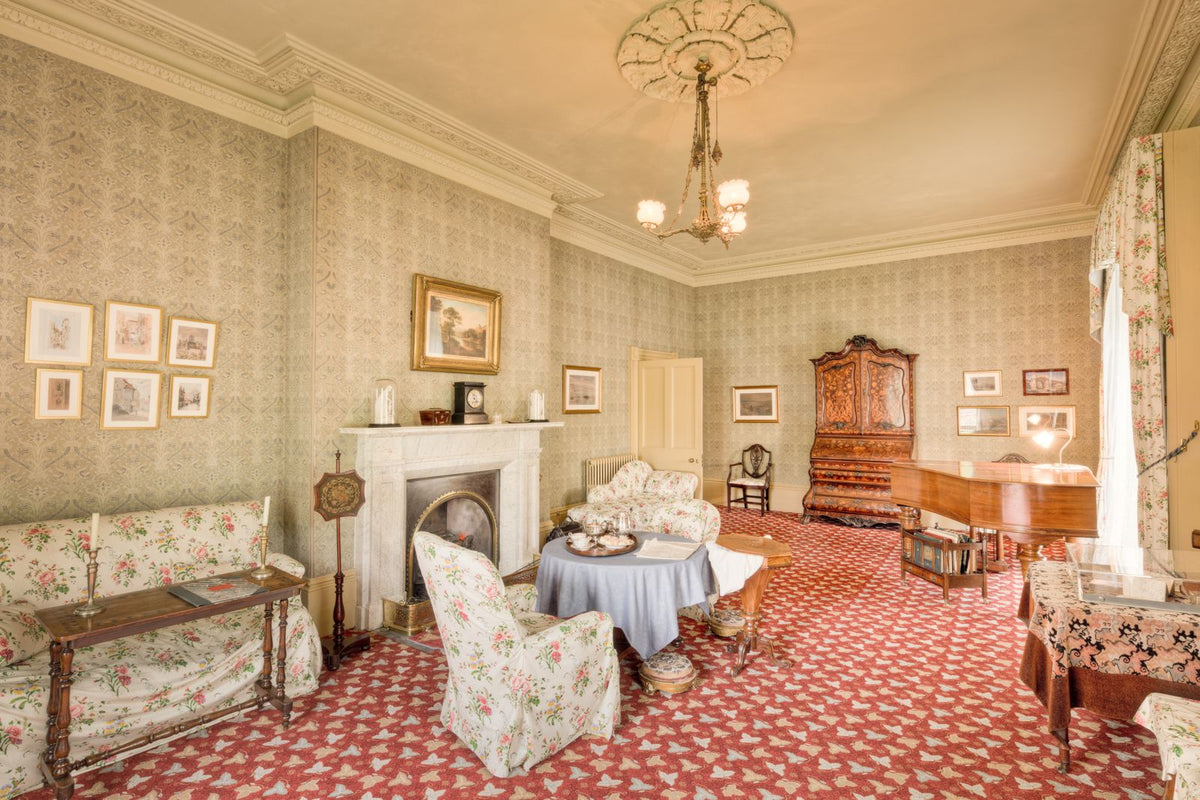
Polished plaster works well in period homes and older walls, provided the plaster is lime based and the wall is prepared with care. Zavoré installs it with our own artisans for Georgian, Victorian and Edwardian houses, cottages and barns across London, Birmingham, Manchester and the rest of the UK. Lime lets solid masonry breathe, so the finish adds a soft, marble like sheen without trapping damp in an old building.
For the full family of finishes, see our polished plaster page, and for the areas we reach browse Venetian plastering across the UK. The rest of this guide covers what owners of older properties tend to worry about, from damp and cracks to cornice and consent.
Most houses built before the twentieth century have solid walls with no cavity. They were designed to take on a little moisture and release it again, often through lime mortar and lime plaster. Covering them with impermeable coatings can push damp elsewhere, causing stained plaster, blown paint and timber problems. A lime polished plaster keeps that exchange going. It is still a hard, burnished surface, but it remains vapour open, which is why we favour it for older homes.
Lime is caustic while wet, so we protect skin, eyes, floors and furnishings during application. Once cured it is stable and pleasant to live with.
Not every room in an old house wants a mirror finish. Grand rooms often look right with a soft sheen, while hallways and dining rooms can carry more polish.
Preparation in an old building is about understanding what is there. We look at whether walls are lime plaster on brick, lath and plaster, stone, or later repairs in modern materials. Each behaves differently. Loose or hollow areas may need cutting out and patching in a compatible lime. Bulges can sometimes be kept and worked with, which preserves character, while serious dips are filled so a polished surface does not exaggerate them.
Modern paint layers are another common issue. Vinyl emulsions seal the wall, so they may need removing before a breathable finish can do its job. Where a later owner has added plasterboard, the joints need reinforcing and the correct primer, exactly as in a new build.
Listed building consent is generally needed for works that affect a listed building's character, so check with your local planning authority before committing. Many conservation officers look kindly on lime based materials, but the decision is theirs. If you live in a flat within a converted period building, many leases need the freeholder's permission for alterations, so check your lease too. We can supply information about the materials to support those conversations.
Hairline cracks across old plaster are normal and usually harmless. Wider or recurring cracks can point to movement, failed lintels or subsidence, and those need a surveyor or engineer before decoration. Damp may come from leaking gutters, high ground levels, failed pointing or condensation. A finish should never be used to hide these problems. At our survey we note what we see and tell you plainly if another trade must go first.
Older houses vary enormously, so there is no standard rate. The price depends on how much preparation the walls need, ceiling heights, decorative mouldings to work around, access, the finish chosen and the number of rooms. Send photos, rough measurements and any drawings and we will share initial thoughts, then confirm the price after the survey and once you approve a sample.
More on the steps is on our Venetian plaster installation page.
Zavoré was established in 2021 and installs decorative finishes in London, Surrey, Birmingham, Manchester and across the UK with our own artisans. Our London showroom and training centre can be visited by appointment if you would like to see finishes in person before you decide.
Often it can, if the existing plaster is firmly keyed to the laths. Loose or sagging sections are repaired first in a compatible lime. We check by tapping and inspecting the surface at the survey and explain whether the ceiling or wall is sound enough.
No. We mask and protect cornice, ceiling roses and skirting while we work, and finish neatly up to them. If the mouldings need restoring, we can discuss that at the survey so the old details and the new surface look settled together.
Soft whites, stones and greys sit naturally in most older rooms, while deeper tones suit dining rooms and studies. Choose from 48 house colours or any NCS reference, and try them with a sample board before the sample on your wall.
Yes, in the sense that polished plaster is the burnished, glossy end of the Venetian plaster family. The same lime materials can be left more matt or polished to a high shine, depending on how the final coats are worked.
If you own a period property and would like polished plaster on its walls, send a few photos and rough measurements to sales@zavore.co.uk or phone +44 7592 929191, Monday to Saturday, 9am to 6pm. We will talk through what the building needs first.
An outline of what limewash training covers about mixing limewash and the risks of slaking lime, and how to ask Zavoré about it.
BasementsA guide to decorative finishes for London basements, covering media rooms, gyms and wine rooms, why waterproofing must come first, and wh...
CheshireAn in depth guide to seamless microcement and tadelakt bathrooms for homes across Cheshire, and how to choose between them.
CheshireA guide to polished plaster and other decorative finishes for the large modern homes of Wilmslow and Alderley Edge, and where they fit in...
CheshireChester and the Cheshire countryside are full of timber framed, Georgian and Victorian buildings. This guide explains why lime finishes s...
Greater ManchesterHow microcement floors work in kitchen extensions across Greater Manchester, from the screed underneath to underfloor heating and everyda...

Providing luxury finishes for the most prestigious addresses in the world
Venetian plaster, limewash, microcement, tadelakt, metallics, sculptural plaster and gold leaf, supplied and installed by our own team, with Venetian plaster taught at our Birmingham studio.
One list, run by the people who make the material. No noise, and nothing we would not want to read ourselves.
We email as the house has something worth saying, never daily. Unsubscribe from any email, or reply STOP to any text. We never pass your details to anyone.