

✦
Where Artistry Begins
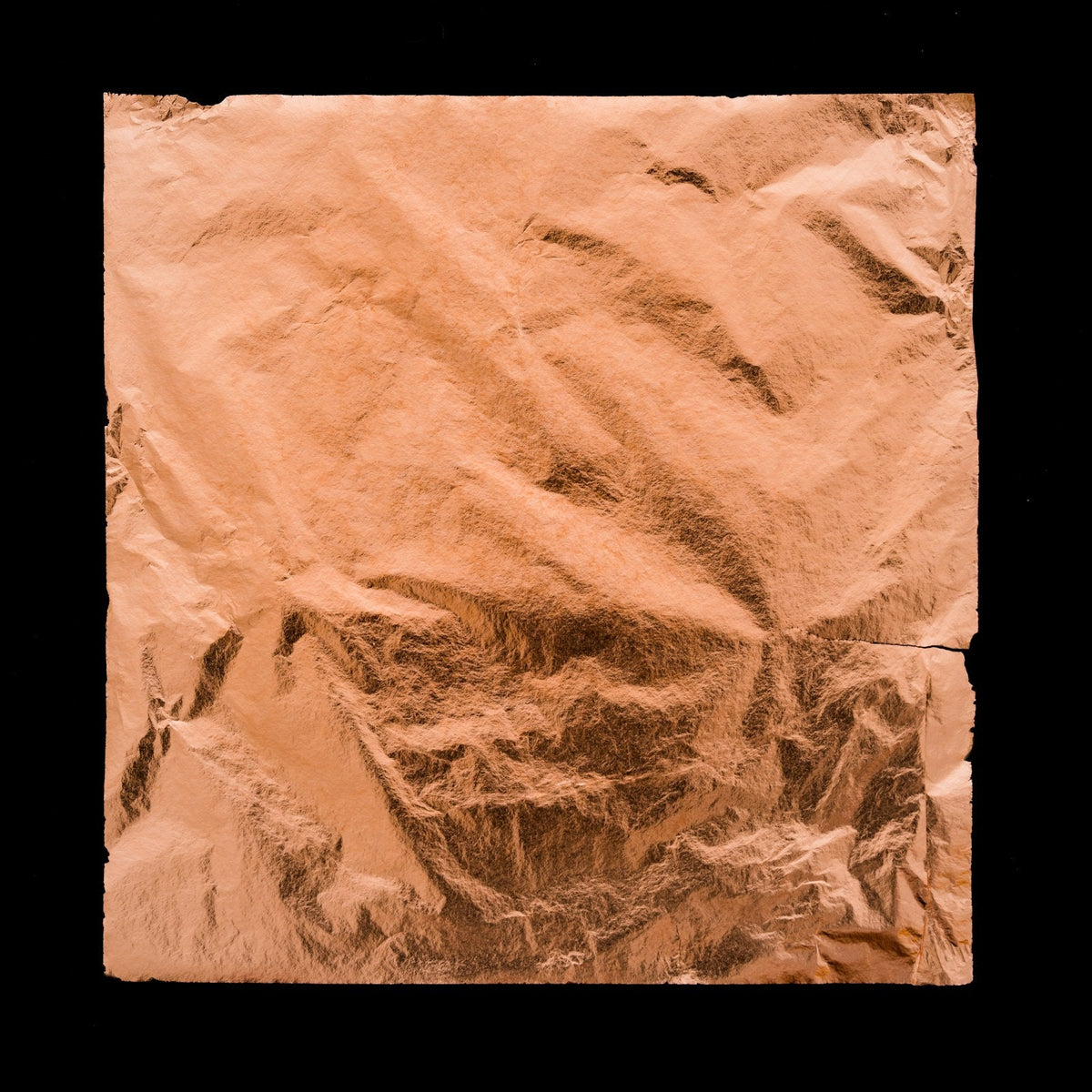
A metallic plaster wall carries real metal or mineral pearl particles suspended through a lime or acrylic finish, laid by hand and burnished so the particles lie in the direction of the trowel. Metallic paint puts a similar pigment in a thin, flat film. The difference is not the colour, which can be close. It is what happens when you move: a plastered metallic wall changes as you walk past it, brightening on one stroke and dropping away on the next, while metallic paint holds one tone from every angle. This guide covers how each behaves, how burnishing controls the effect, where it belongs, and how to light it.
Would you rather have it done for you? Our own applicators provide liquid metal and metallic finish installation across the UK.
Metal powder is flat and platelike. In a hand laid plaster the trowel drags those platelets into alignment along the line of each stroke, and every stroke goes a slightly different way. The wall ends up as hundreds of small mirrors set at hundreds of small angles.
Stand still and you see one arrangement of bright and dark. Take two steps and the bright areas move, not the pattern, the light within it. That travelling shimmer is the whole reason to use the material, and it is the one thing a roller cannot produce, because a roller lays pigment down in a random jumble with no directional grain.
Pearl and mica finishes work the same way with a different substance. Rather than reflecting like metal they refract, so the wall reads as a soft shifting sheen instead of a hard flash. Perla Gold at £53 and Perla Silver at £50 are what we reach for when a client wants movement without brashness.
| Metallic paint | Metallic plaster | |
|---|---|---|
| Effect as you move | Static, one tone from any angle | Shifts and travels |
| Grain | Random, no direction | Directional, follows the trowel |
| Depth | Sits on the surface | Particles at different depths in the coat |
| Large walls | Roller laps show badly | Worked wet on wet, no laps |
| Applied by | DIY | Trained applicator |
| Repair | Repaint the wall | Patch and reblend |
| Cost | Low | Higher material and labour |
Metallic emulsion has one real advantage besides price: it is forgiving, because paint hides a poor wall better than plaster does. Everything else favours the plaster, and on a big plane it is not close: metallic paint shows roller laps as stripes once a light catches it, and there is no fixing that.
Veneziano Metallico at £175 is polished lime plaster with metal in it. Burnished hard it gives a deep, marble like surface with a metallic core that appears to come from inside the wall rather than off it. This is the version for a formal room: a dining room, a hotel lobby, a bar back.
Stucco Suede Metallico at £175 is the softer one. It leaves a fine, cloth like texture with the metal glinting through it, closer to shot silk than to metal. It carries a large wall better than a full polish because the effect is broken up.
The Liquid Metal family goes further: brass, bronze, copper and iron powders laid over a base and worked to a genuine metal face, which can then be aged or left bright. This is a finish, not a tint. The wall is metal at the surface. It suits panels, columns, bar fronts and fireplace surrounds rather than whole rooms.
Between the two sit the pearl and mica products, used either as a finish in their own right or brushed over a burnished plaster to add a shift to a colour that would otherwise be flat.
How hard and how long you burnish the final coat decides everything.
A metallic wax over the top, Metallica Gold or the silver version, £68 each, lifts the shift a further step and protects the surface. Burnish level is the lever we adjust first when a client says a sample is too much or too little, before changing the product. The same principle applies across all our finishes, which we cover in the guide to textures and finishes.
It works on one wall in a room that otherwise has none. It works in spaces people pass through rather than sit in for hours: entrance halls, stair cores, corridors, cloakrooms, lift lobbies. It works on vertical elements that want weight, a chimney breast, a column, a bar front, a headboard wall. It works in restaurants and hotels, where the evening light is low and the shift does the work that daylight would.
It becomes too much when it wraps a whole room, when it faces a large window that will flare it for hours, when the ceiling gets it too, and when the scheme already has brass fittings, mirror and gloss joinery. A metallic wall wants matt materials around it. Put it against velvet, unpolished timber, stone or a flat painted wall and it reads as luxurious. Put it against more shine and it reads as a showroom.
Colour matters as much as sheen. Golds warm a north facing room and go brassy in strong afternoon sun; silvers and pewters stay cool and suit grey schemes; bronze and iron sit better in dark rooms than gold does. Our colour guide covers how a burnish shifts a tint, and the colour page shows the range we tint to.
Light across the wall, not at it. A downlight or wall washer set close to the surface, aimed so the beam rakes down the face, is what makes the metal travel. A light aimed straight on from the middle of the room kills the effect and leaves a hot spot.
Warm lamps suit gold and bronze; cooler light suits silver and pewter. Dimmers matter more here than anywhere else in a house, because the finish behaves like a different material at low output. Always view a sample board on the actual wall, under the actual lights, at night as well as in daylight.
For appearance, yes, clearly. Metallic plaster has a directional grain and real depth, so the shine moves as you move; metallic paint is a flat film that holds one tone and shows roller laps on large walls. Paint is cheaper, easier to apply and easy to cover later, which is why it still makes sense for a rental or a small, low lit wall.
You can, but we usually advise against it. The effect depends on contrast with matt surfaces around it, and a room with four metallic walls loses that contrast and starts to feel like a set. One wall, or a defined element such as a chimney breast, column or bar front, gives a stronger result for less money.
It does when it is a heavy gold over a badly prepared wall with a spotlight pointed at it. A restrained pearl or a burnished bronze, laid flat and lit from the side, looks like a material rather than an effect. The finish, the burnish level and the lighting matter far more than the colour you pick.
On walls away from direct spray, yes, with a wax or sealer over it. Steam is fine; standing water is not. For the shower area itself use Tadelakt or microcement, then bring the metallic onto the surrounding walls if you want the shift without risking the finish.
Where to go next: see the range on the Liquid Metal page, order a tinted tub or a sample board from the shop, or ring 07592 929191 and describe the wall and its lighting. That usually tells us which of these belongs on it.
An outline of what limewash training covers about mixing limewash and the risks of slaking lime, and how to ask Zavoré about it.
BasementsA guide to decorative finishes for London basements, covering media rooms, gyms and wine rooms, why waterproofing must come first, and wh...
CheshireAn in depth guide to seamless microcement and tadelakt bathrooms for homes across Cheshire, and how to choose between them.
CheshireA guide to polished plaster and other decorative finishes for the large modern homes of Wilmslow and Alderley Edge, and where they fit in...
CheshireChester and the Cheshire countryside are full of timber framed, Georgian and Victorian buildings. This guide explains why lime finishes s...
Greater ManchesterHow microcement floors work in kitchen extensions across Greater Manchester, from the screed underneath to underfloor heating and everyda...

Providing luxury finishes for the most prestigious addresses in the world
Venetian plaster, limewash, microcement, tadelakt, metallics, sculptural plaster and gold leaf, supplied and installed by our own team, with Venetian plaster taught at our Birmingham studio.
One list, run by the people who make the material. No noise, and nothing we would not want to read ourselves.
We email as the house has something worth saying, never daily. Unsubscribe from any email, or reply STOP to any text. We never pass your details to anyone.