

✦
Where Artistry Begins
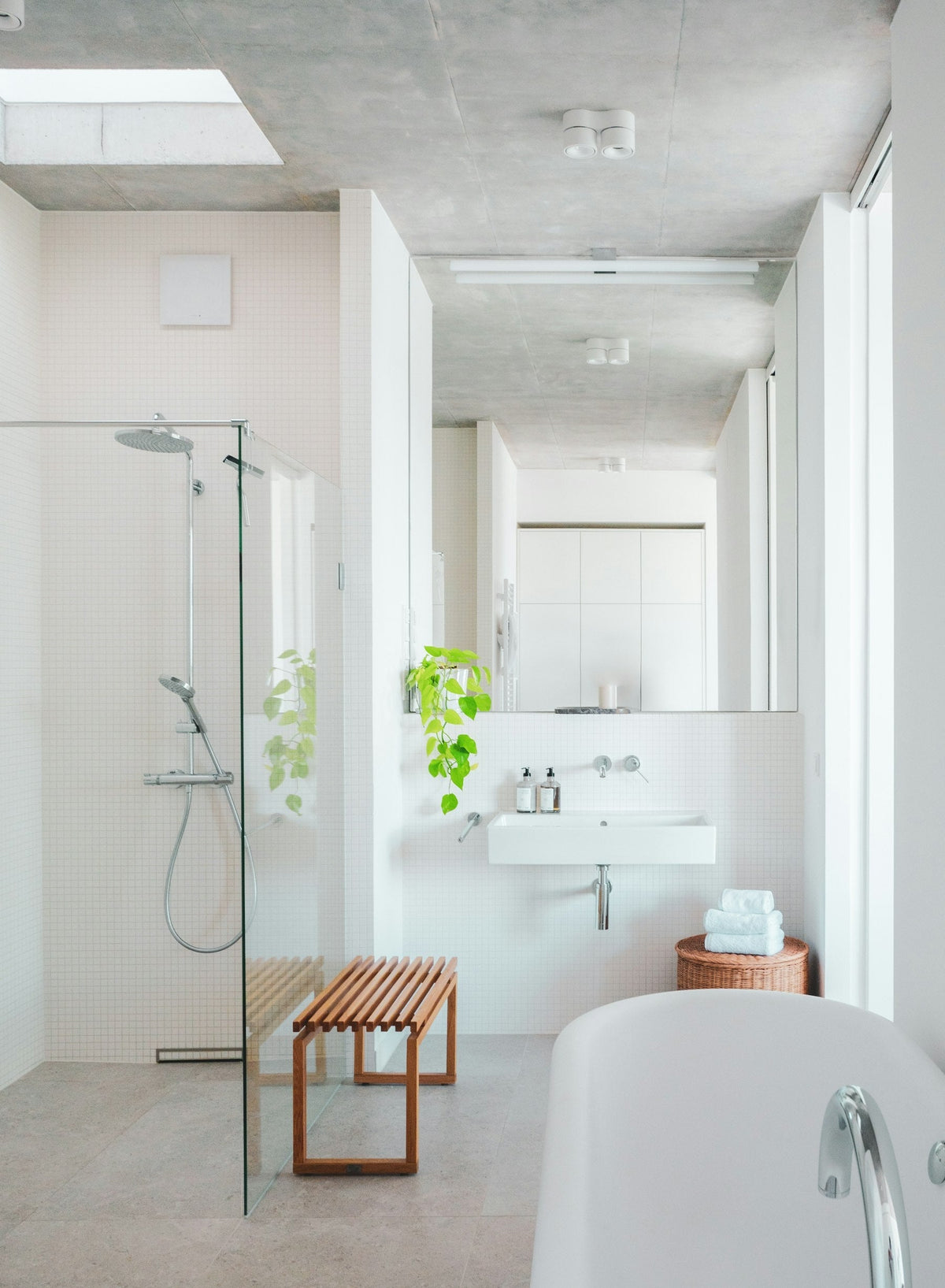
Choose polished plaster for walls where you want depth, softness and a marble or stone look, and choose microcement where the surface has to cope with feet or water, such as floors, showers and wet rooms. The two can sit happily in the same home. Zavoré installs both across the UK with our own artisans, and the right answer usually comes down to which surface it is, how it will be used and what lies underneath.
Our polished plaster page covers the lime and acrylic finishes in detail, and microcement installation explains how we lay seamless floors, walls and wet areas. For homes and businesses around the country, see Venetian plastering across the UK.
Polished plaster, including traditional lime Venetian plaster, is a decorative wall finish built from thin coats and burnished to a sheen. It is prized for depth and movement, light seeming to sit within the surface. Lime versions breathe and suit solid masonry, while acrylic versions form a film.
Microcement is a thin, cement based coating laid in layers and then sealed. It gives a smooth, concrete effect surface with a matt or soft sheen, and its strength is that it can be laid continuously across floors and walls. That makes it popular for bathrooms, kitchens and open plan spaces where you want one seamless surface from floor to wall.
So the difference is less about looks and more about where each one belongs.
For living rooms, bedrooms, halls, stairwells and feature walls, polished plaster usually wins on character. A marble look, a soft stone grain such as marmorino, or a gentle limewash all bring a quality that a more uniform coating does not. In an old house with solid walls, a lime finish is often the sensible choice because it breathes.
Microcement on walls suits a more architectural, minimal look. It can be the right call where a wall continues from a microcement floor, or in a kitchen where you want the same surface on the floor and up the wall behind the units.
This is where the decision becomes clearer.
Many of the calmest bathrooms combine the two, with a microcement floor and shower and a soft polished plaster on the remaining walls.
Plasterboard joints need reinforcing and the right primer before either finish, otherwise joints can show through later. For microcement in wet areas, the waterproofing system matters as much as the coating. Some existing surfaces can be covered and some cannot, which is why we survey before giving any price. Polished finishes, in particular, show every dip, so walls must be flat.
Microcement reads as quiet, mineral and architectural. It suits open plan kitchens, contemporary bathrooms and flats where you want floors and walls to feel like one surface. Polished plaster reads as richer and more crafted, with more variation and depth. It is often chosen for a feature wall, a fireplace wall, a dining room or a formal hallway.
If you are torn, think about the room's job. Wet and walked on usually points to microcement. Looked at and lived beside usually points to polished plaster. Colour is part of the decision too; for polished plaster you can choose from 48 house colours or any NCS reference, and a sample board helps you compare tones in daylight and in the evening.
You send photos, drawings and rough measurements. We survey the rooms before giving a price, looking at the backgrounds, flatness, any damp, and how each space is used. You then approve a sample, and dates are agreed. Work is planned in blocks of days so the same artisans stay on the job and lay each coat in turn. That holds for a polished plaster wall just as much as for a microcement floor.
If you would like to see finishes at full scale, our London showroom and training centre can be visited by appointment.
Microcement or tadelakt on a waterproofed wall is the right choice inside a shower. Venetian plaster is not for showers. Remember that a sealer makes microcement washable, but the wall behind a shower still needs proper tanking.
Generally not. Polished wall plasters are made for walls and ceilings. For a seamless floor, microcement is the usual choice, and it can carry on up the walls in the same room for a continuous look.
On solid masonry walls, a lime polished plaster is often a good match because lime breathes. Microcement is more often used on floors, in bathrooms and in newer spaces, and we would assess the background at the survey.
Yes, and it often works well. A common pairing is a microcement floor and shower with polished plaster on the dry walls. We plan the sequence so each finish is laid at the right stage.
To talk through polished plaster, microcement or a mix of the two, call +44 7592 929191 (Monday to Saturday, 9am to 6pm) or email sales@zavore.co.uk with photos, rough measurements and the address.
How microcement floors work in kitchen extensions across Greater Manchester, from the screed underneath to underfloor heating and everyda...
Buying GuideA product by product guide to the protective finishes in the Zavoré shop and which plaster each one is made for.
CommercialWhat London restaurant, bar and hotel operators should know about decorative plaster. Which finishes stand up to busy service, out of hou...
BirminghamFor people thinking about leaving another job for decorative plastering. What a beginner course at the Zavoré Academy covers, the gap bet...
TadelaktAn in depth guide to tadelakt, the polished Moroccan lime plaster, for bathrooms and wet rooms in Welsh homes, cottages and holiday lets.
DubaiHow polished plaster works on staircases and lift lobbies in Dubai villas, from tall stair walls and handrail fixings to protecting busy ...

Providing luxury finishes for the most prestigious addresses in the world
Venetian plaster, limewash, microcement, tadelakt, metallics, sculptural plaster and gold leaf, supplied and installed by our own team, with Venetian plaster taught at our Birmingham studio.
One list, run by the people who make the material. No noise, and nothing we would not want to read ourselves.
We email as the house has something worth saying, never daily. Unsubscribe from any email, or reply STOP to any text. We never pass your details to anyone.