

✦
Where Artistry Begins
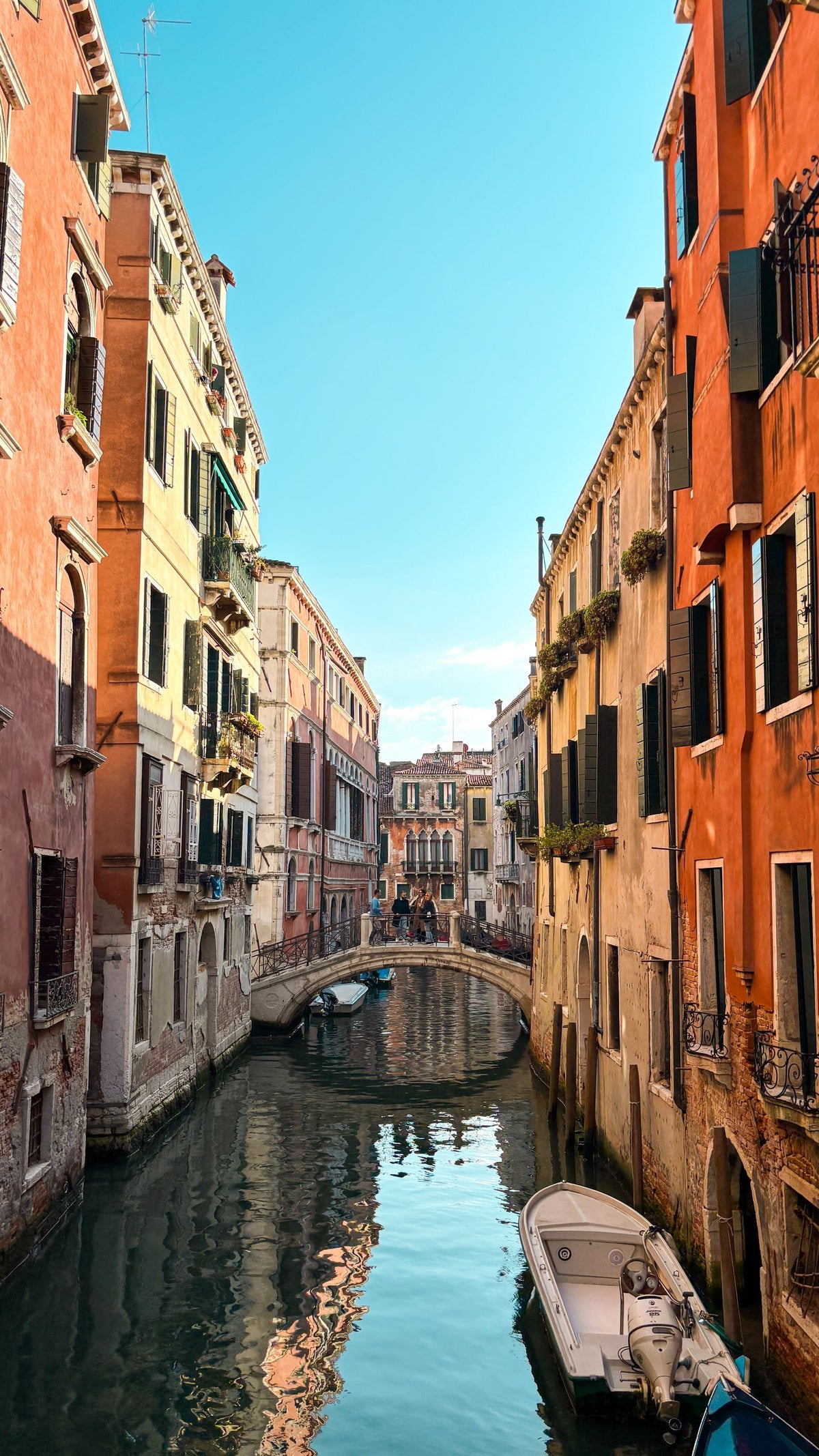
Polished plaster and Venetian plaster overlap but are not quite the same thing. Venetian plaster is a specific, traditional lime based finish, laid in thin coats and burnished to a marble look. Polished plaster is the broader term people use in the UK for any smooth, trowelled wall finish with a sheen, which includes Venetian plaster but also acrylic versions and other decorative plasters. Zavoré installs, supplies and teaches both.
Our polished plaster page covers the wider family of finishes, while our Venetian plaster page goes into the traditional lime material in detail. If you are looking for someone to lay either, see Venetian plastering across the UK. This post sorts out the words, so you can ask for the finish you actually want.
Venetian plaster is the traditional Italian finish made from lime and fine marble, applied with a steel trowel in several thin, overlapping coats. The final coat is compressed and burnished, which brings up a soft sheen and the cloudy, layered depth associated with marble. It gives a marble look but is not marble. Because it is lime, it breathes, which is one reason it suits solid walls in older houses.
The name is sometimes used loosely, but in the trade it usually points to this specific lime material and method, often called stucco veneziano.
Polished plaster is a description of the result rather than a single material. It covers any decorative plaster that is trowelled smooth and polished to a sheen. That includes lime Venetian plaster, acrylic polished plasters, and some finishes sold under brand or product names. When an interior designer writes polished plaster on a scheme, they could mean any of these.
In everyday UK use, people often say polished plaster when they mean Venetian plaster, and the other way round. Neither is wrong, but it helps to know which you are getting.
It depends on what is inside the bucket. A lime Venetian plaster becomes hard and stone like as it cures, and a wax adds some protection. An acrylic polished plaster forms a film, which can make it more tolerant of knocks and easier to wipe in some settings, but it does not breathe in the same way.
So the useful questions are not about the name. Ask whether it is lime or acrylic, how it will be finished and protected, and whether it suits your wall. Solid brick or stone usually favours lime. Plasterboard partitions in a new build can take either, once joints are reinforced and the right primer is applied.
They can. Traditional lime Venetian plaster tends to have softer, deeper movement, with light seeming to sit inside the surface. Acrylic polished plasters can be very smooth and even, sometimes with a slightly crisper sheen. Within each, the result varies with the colour, the number of coats and the hand of the person laying it.
Related finishes add to the confusion. Marmorino is a lime finish with a finer stone grain that can be matt or softly burnished. Travertino suggests layered travertine. Both are sometimes grouped under polished plaster, even when they are barely polished at all.
All polished finishes show every dip, so whichever you choose, the walls must be flat before the decorative coats begin.
Send photos, drawings and rough measurements. We survey the walls before any price is given, then make a sample for you to approve, and only then agree dates. The work is planned in blocks of days so the same artisans stay on the job. Materials are tinted to the approved sample from 48 house colours or any NCS reference, and a sample board is a good way to start choosing.
If you have your own decorator, our plaster materials are in the shop. You can also see finishes in person at our London showroom and training centre by appointment, and learn to lay them on our courses at the Zavoré Academy in Birmingham and our London and Manchester centres.
Not exactly. Venetian plaster is a specific lime based finish laid in thin coats and burnished. Polished plaster is a broader term that includes Venetian plaster and other smooth, sheened plasters, including acrylic ones. Many people use the two names interchangeably.
Traditionally, yes. Lime and marble are the classic ingredients. Some products sold as Venetian plaster are acrylic, so it is worth asking which you are being offered and seeing a sample before deciding.
On solid brick or stone walls, a lime finish is usually the sensible choice, because lime breathes and suits solid masonry. Acrylic forms a film, which is better kept for modern partitions in most cases.
On walls away from direct water, yes. Inside a shower, use tadelakt or microcement on a waterproofed wall instead, since Venetian plaster is not made for that. The wall behind a shower still needs tanking.
Unsure which finish you are being quoted for, or which suits your walls? Call +44 7592 929191 (Monday to Saturday, 9am to 6pm) or email sales@zavore.co.uk with photos and rough measurements, and we will explain the options plainly.
An outline of what limewash training covers about mixing limewash and the risks of slaking lime, and how to ask Zavoré about it.
BasementsA guide to decorative finishes for London basements, covering media rooms, gyms and wine rooms, why waterproofing must come first, and wh...
CheshireAn in depth guide to seamless microcement and tadelakt bathrooms for homes across Cheshire, and how to choose between them.
CheshireA guide to polished plaster and other decorative finishes for the large modern homes of Wilmslow and Alderley Edge, and where they fit in...
CheshireChester and the Cheshire countryside are full of timber framed, Georgian and Victorian buildings. This guide explains why lime finishes s...
Greater ManchesterHow microcement floors work in kitchen extensions across Greater Manchester, from the screed underneath to underfloor heating and everyda...

Providing luxury finishes for the most prestigious addresses in the world
Venetian plaster, limewash, microcement, tadelakt, metallics, sculptural plaster and gold leaf, supplied and installed by our own team, with Venetian plaster taught at our Birmingham studio.
One list, run by the people who make the material. No noise, and nothing we would not want to read ourselves.
We email as the house has something worth saying, never daily. Unsubscribe from any email, or reply STOP to any text. We never pass your details to anyone.