

✦
Where Artistry Begins
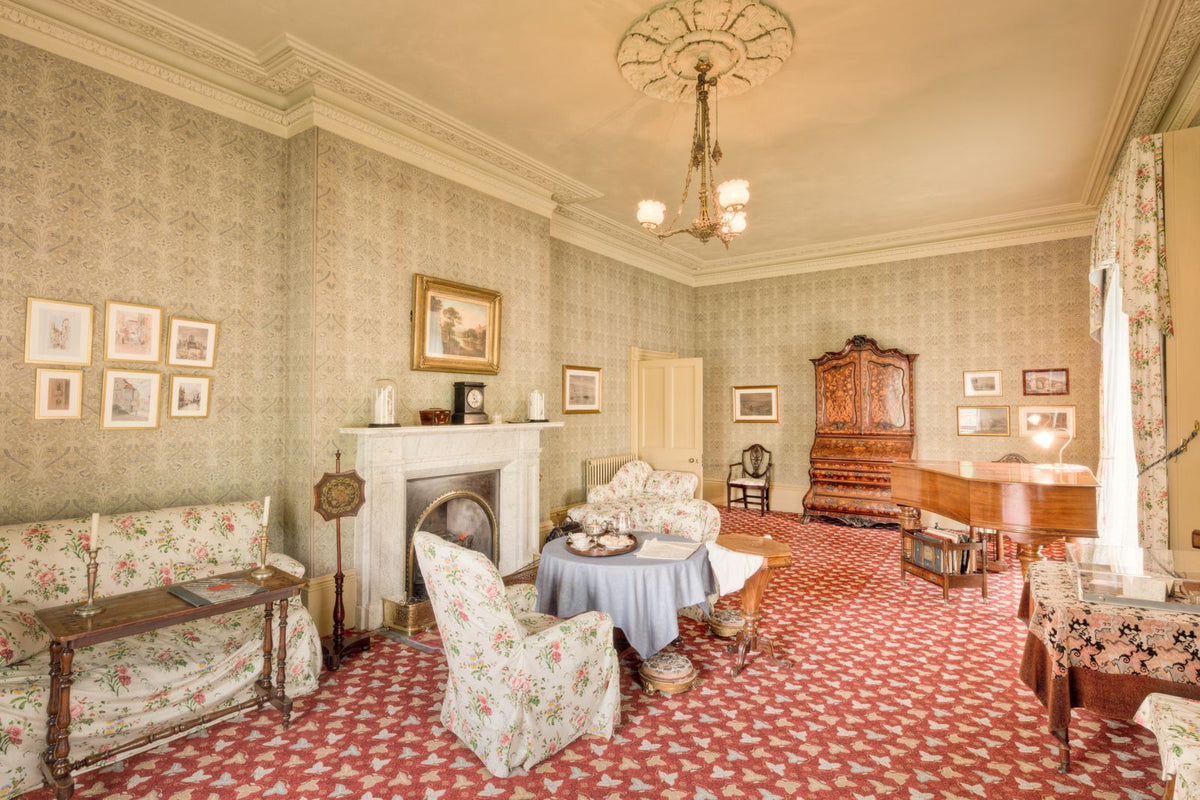
A Venetian plaster fireplace is one of the best uses of the material: a chimney breast is already the natural focal point of a room, and a lime finish gives it depth without adding anything that competes with the fire. The finish goes on the breast and the walls around the opening, not inside the firebox or on the hearth. Heat near the opening, and movement between the breast and the walls beside it, are the two things to plan for. Chosen well, marmorino, polished plaster or a concrete effect all work on a breast.
If you want it installed, our own applicators handle Venetian plaster installation from survey to final coat.
A chimney breast projects into the room, so light falls across its face and down its returns, the short side walls that turn back to the alcoves. That gives a trowelled finish three surfaces to catch the light at different angles, which is where Venetian plaster looks most alive.
It is also a naturally bounded area. The breast has clear edges, so there is no argument about where the finish should stop. It is usually the right size for a single decorative job, and it sits in the room people look at most. If you want one wall of plaster in a living room, the breast is often the answer.
The mineral part of a lime plaster is not combustible. That does not make it a fire surround. The finish is a thin decorative coat, and the rules on hearths, surrounds and clearances for open fires and stoves apply exactly as they would without it. Follow your stove or fire manufacturer’s guidance and the building regulations, and have the installation inspected by a competent person. The plaster is laid around that arrangement, not instead of it.
Within that, heat still affects the finish:
The simplest rule: the closer to the fire, the more robust and the less precious the finish should be. Save your most delicate high gloss work for the upper breast and the alcoves.
Chimney breasts crack more readily than ordinary walls. The breast is a separate mass of masonry bonded to the wall beside it, and the two warm, cool and settle at different rates. The weak point is almost always the internal corner where the breast meets the alcove wall, and sometimes a line above the opening where a lintel or arch sits.
A decorative finish follows the surface beneath it. If the corner moves, a hairline will appear there in time. We plan for it in three ways:
Lime finishes, and marmorino especially, tend to take a fine hairline in a way that reads as character rather than failure. A hard, high gloss finish shows the same line more clearly. We cover the causes in detail in why marmorino cracks.
One more point on timing. Lime finishes carry on curing for weeks after they look dry. Lighting a fire straight away dries the area around the opening much faster than the rest of the breast, which invites cracking. Hold off using the fire until the finish has had time to harden, and start with small, gentle fires.
| Marmorino | Polished plaster | Concrete effect | |
|---|---|---|---|
| Look | Soft stone, matt to low sheen, fine texture | Deep, marble like, from satin to high gloss | Cloudy, industrial, matt |
| Near the opening | Good. No wax needed; takes heat and a little soot well | Keep wax away from the hottest area; lower sheen is safer | Good. Matt and forgiving of marks |
| Hairline cracks | Reads as character | More visible, especially at high gloss | Often reads as part of the effect |
| Suits | Period rooms, lime built houses, open fires | Formal living rooms, a stove set into a flat modern breast | Contemporary rooms, media walls, minimal stoves |
For most fireplaces, especially working open fires in older houses, we lean toward marmorino. It has the right weight for a period breast, it does not rely on wax, and it forgives the small marks a real fire leaves. Polished plaster is at its best on a flat, modern breast around a stove or a gas fire, where you want the room to catch the light. A concrete effect finish suits a contemporary breast, a media wall with a hung television, or a room where the stove itself is the only ornament. For a fuller comparison of the first two, read marmorino versus polished plaster.
A breast in a darker or richer colour than the walls pushes it forward and makes the fire the centre of the room. A breast in the same colour as the walls, but a different finish, is quieter and often more elegant: the change of texture does the work. The alcoves can follow the breast, follow the walls, or take a third related tone if they hold shelving.
If the fire will be used, remember smoke. Very pale finishes directly above an open fire will need cleaning or refreshing sooner. Warm greys, stone colours and deeper earth tones age better.
Yes. Venetian plaster works very well on a chimney breast and the wall around the opening. It is a decorative coat, not a fire surround, so the hearth, surround and clearances must still meet the fire manufacturer’s guidance and building regulations. Keep wax away from the hottest area, and do not plaster inside the firebox.
Heat can encourage fine cracks close to the opening, especially if the fire is lit before the finish has fully cured. Letting the plaster harden for some weeks, starting with gentle fires, and leaving a clean edge rather than pushing the plaster tight into a hot frame all help. Marmorino hides hairlines better than high gloss.
The breast and the wall beside it are separate masses of masonry that move at slightly different rates. The internal corner where they meet is the natural place for a hairline to appear, whatever finish is on it. Stopping the plaster at that corner, rather than running it continuously round, makes any line look intended.
For a working open fire in an older house, marmorino: matt, unwaxed near the opening, and forgiving of soot and small movement. For a flat modern breast around a stove, polished plaster at a satin sheen looks superb. For a contemporary room or media wall, a concrete effect finish suits the style and hides marks well.
Where to go next: compare marmorino and concrete effect for your breast, then browse finishes and colours in the shop. If you would rather we lay it, our installation team will look at the breast, the fire and the movement before we quote.
An outline of what limewash training covers about mixing limewash and the risks of slaking lime, and how to ask Zavoré about it.
BasementsA guide to decorative finishes for London basements, covering media rooms, gyms and wine rooms, why waterproofing must come first, and wh...
CheshireAn in depth guide to seamless microcement and tadelakt bathrooms for homes across Cheshire, and how to choose between them.
CheshireA guide to polished plaster and other decorative finishes for the large modern homes of Wilmslow and Alderley Edge, and where they fit in...
CheshireChester and the Cheshire countryside are full of timber framed, Georgian and Victorian buildings. This guide explains why lime finishes s...
Greater ManchesterHow microcement floors work in kitchen extensions across Greater Manchester, from the screed underneath to underfloor heating and everyda...

Providing luxury finishes for the most prestigious addresses in the world
Venetian plaster, limewash, microcement, tadelakt, metallics, sculptural plaster and gold leaf, supplied and installed by our own team, with Venetian plaster taught at our Birmingham studio.
One list, run by the people who make the material. No noise, and nothing we would not want to read ourselves.
We email as the house has something worth saying, never daily. Unsubscribe from any email, or reply STOP to any text. We never pass your details to anyone.