

✦
Where Artistry Begins
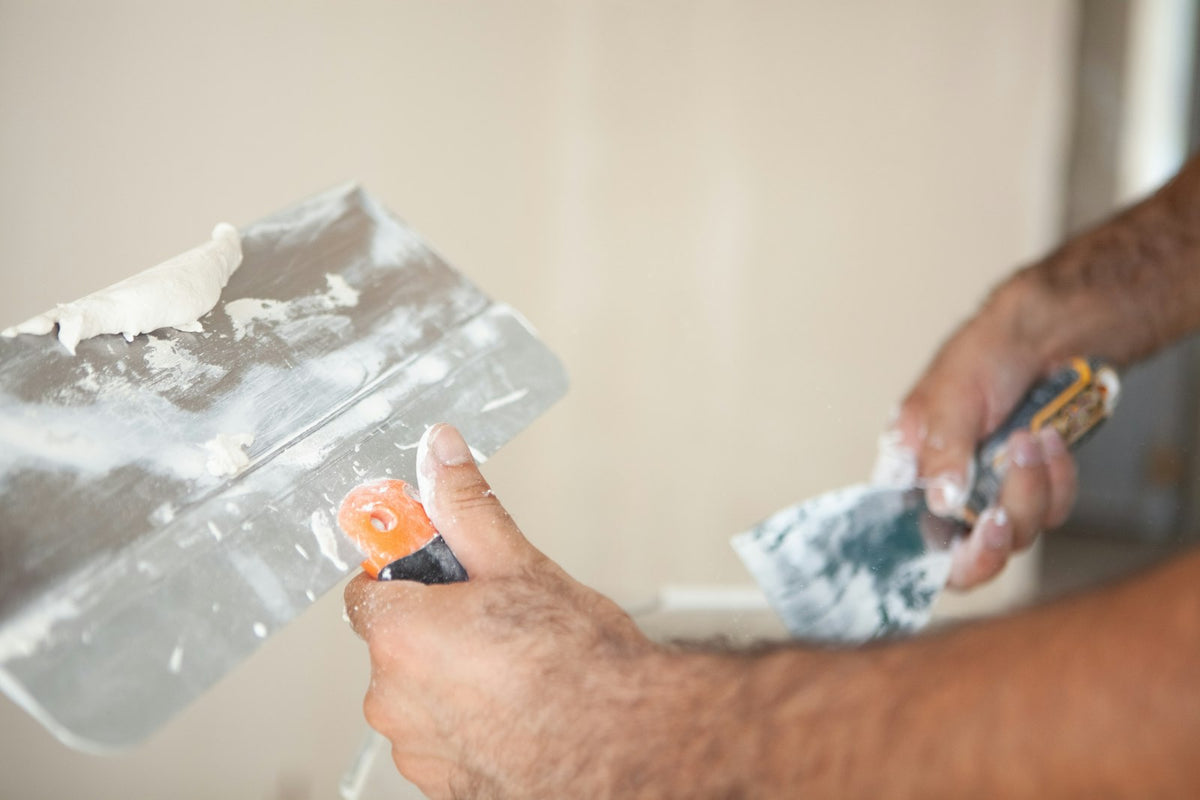
A bas relief wall is made by hand, on site, in a fixed order. First comes a brief, then a drawing to the scale of the wall, a survey before any price, a sample of the finish, preparation of the surface, building the plaster up in layers, carving it while workable, refining every edge and, last of all, the final coat. Zavoré follows this sequence for every sculpted wall it makes in homes and commercial interiors across the UK.
Our bas relief installation page sums up the stages, and the main bas relief page shows what relief can look like, from a single stem to a whole landscape. Our own artisans carry out the work wherever you are, in the same way as our Venetian plastering across the UK.
Every sculpted plaster wall begins with a conversation. Send a photo of the wall, its rough height and width, and anything that inspires you. That might be a sketch on paper, a tree in your garden, a pattern from a rug, a city skyline or a company logo. Tell us how the room is used, where the light comes from and whether you picture the relief staying white or taking colour. The more we understand at this point, the closer the first drawing will be.
We draw the piece to the scale of your wall so you can see exactly how high it climbs, how wide it spreads and how it meets doors, windows, sockets and skirting. This is where proportions are settled. A branch that looks right on a small sketch can feel cramped once it is drawn against a real wall, so expect a little back and forth. If you want lighting built into the relief, the positions of LED strips behind ledges, arches or branches are marked on the drawing now, because the recesses for them are sculpted in from the start.
A carved piece is only as good as the wall behind it, so we survey before giving a price. We look at what the wall is made of, how flat and sound it is, any cracks, movement or damp, and how we will get materials and protection into the room. Plasterboard joints need reinforcing and the right primer, and loose or hollow areas are cut back and made good. The price follows the survey and the agreed drawing, since both the design and the preparation shape the work involved.
If the property is listed, listed building consent is generally needed for works that affect its character, so check with your local planning authority. In a flat, many leases need the freeholder's permission, so check yours before dates are booked.
Before work starts you approve a sample of the finish. A relief can stay natural white, be tinted, painted in full colour, or finished in Venetian plaster, limewash or metallic detail. Colours come from 48 house colours or any NCS reference, and the materials are tinted to match the approved sample. Our sample board is worth viewing in the room, in the morning and again in the evening, before you decide.
Once dates are agreed, the room is cleared and protected and the wall is primed for the new plaster. The design is transferred from the drawing onto the wall, then the relief is built up in layers by hand, thicker where the design stands proudest and thinner where it fades back towards the background. Because bas relief is low relief, the depth stays modest, but the layering is what gives it a convincing sense of distance.
While each layer is still workable, it is carved. Leaves are separated, ridges are cut, the edges of rooftops or letters are defined, and soft transitions are blended into the flat surface around them. Work is planned in blocks of days so the same artisans stay with the piece, carving, letting it firm up, then returning to refine. Refining takes patience, since every edge has to be clean and every curve has to read correctly under low angled light.
When the carving is complete and the plaster has firmed, the finish goes on. A white relief may simply be brought to a clean, even surface. A painted relief is coloured in stages so the shading follows the form. A Venetian plaster or limewash finish is laid so it wraps the raised areas and the background as one continuous skin. Metallic detail or gilding is added along edges where the light will catch it. Where the chosen finish calls for protection, a suitable sealer or wax is applied last, and any built in lighting is connected by a qualified electrician at the end.
It depends on the size of the wall, the detail of the design and the finish, so there is no standard timescale. Once the survey and drawing are done, we plan the work in blocks of days and agree the dates with you before anything starts.
Small refinements are sometimes possible while the plaster is still workable, but the drawing stage is the right time for real changes. That is why we draw to scale and ask you to approve it before any plaster goes on.
No. It is built up and carved by hand on your wall, so no two pieces are the same. Repeating designs made as a set are sculptural plaster panels, which are a different product that we also offer.
Usually not, though the room itself needs clearing and protecting because there is wet work and some dust. We talk through access, the rest of the house and how the room is used at the survey.
To start a sculpted wall, call +44 7592 929191 (Monday to Saturday, 9am to 6pm) or email sales@zavore.co.uk with photos of the wall, rough measurements, the address and any images that inspire you. We will talk through the design with you and arrange the survey.
An outline of what limewash training covers about mixing limewash and the risks of slaking lime, and how to ask Zavoré about it.
BasementsA guide to decorative finishes for London basements, covering media rooms, gyms and wine rooms, why waterproofing must come first, and wh...
CheshireAn in depth guide to seamless microcement and tadelakt bathrooms for homes across Cheshire, and how to choose between them.
CheshireA guide to polished plaster and other decorative finishes for the large modern homes of Wilmslow and Alderley Edge, and where they fit in...
CheshireChester and the Cheshire countryside are full of timber framed, Georgian and Victorian buildings. This guide explains why lime finishes s...
Greater ManchesterHow microcement floors work in kitchen extensions across Greater Manchester, from the screed underneath to underfloor heating and everyda...

Providing luxury finishes for the most prestigious addresses in the world
Venetian plaster, limewash, microcement, tadelakt, metallics, sculptural plaster and gold leaf, supplied and installed by our own team, with Venetian plaster taught at our Birmingham studio.
One list, run by the people who make the material. No noise, and nothing we would not want to read ourselves.
We email as the house has something worth saying, never daily. Unsubscribe from any email, or reply STOP to any text. We never pass your details to anyone.