

✦
Where Artistry Begins
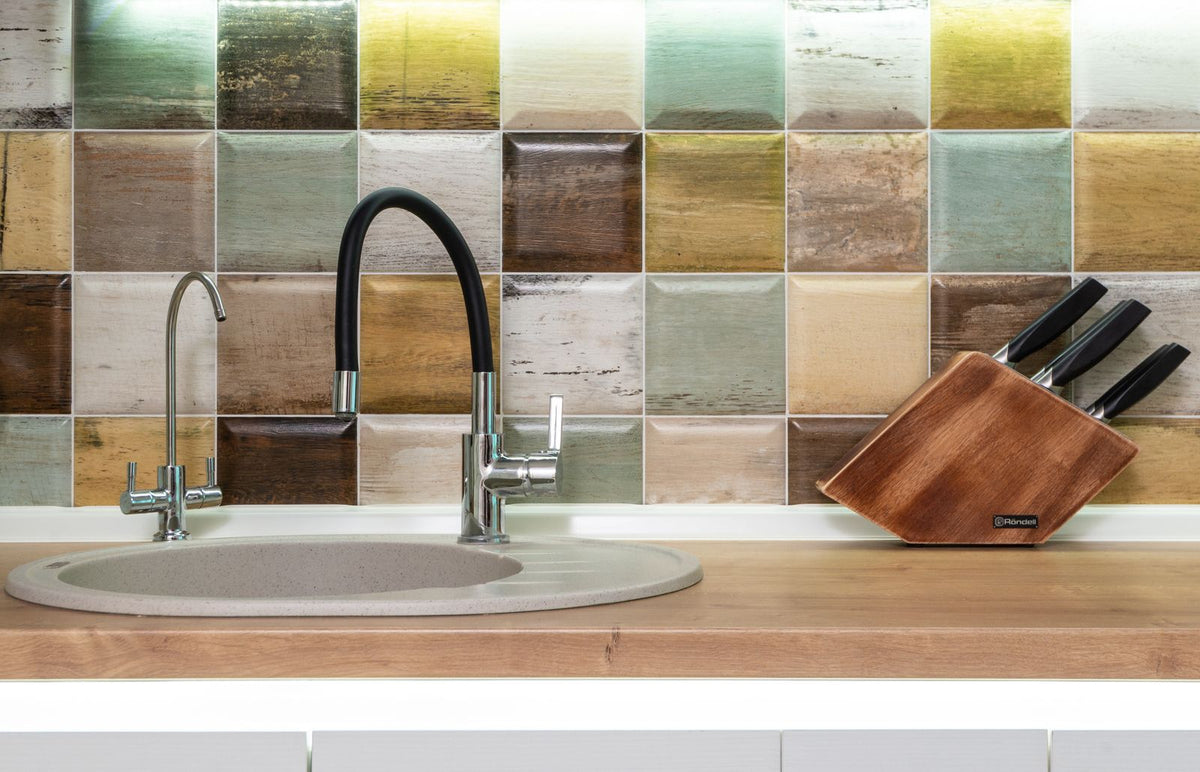
Venetian plaster works in a kitchen, but not on every kitchen wall. It is at its best on open walls, chimney breasts, range hoods and the walls around a dining area. It can go behind a sink or on a splashback if the finish is chosen and protected for it. Directly behind a hob, where heat and grease are concentrated, glass, stone or tile is usually still the better answer. This piece goes through a Venetian plaster kitchen zone by zone, so you can decide where the finish goes and where it stops.
Would you rather have it done for you? Our own applicators provide Venetian plaster installation across the UK.
It helps to divide a kitchen by what each wall has to put up with.
Almost any Venetian finish, suitably protected, is fine on open walls. The decisions are all about the other two zones.
Lime plaster is porous until it is protected. Unprotected, it will take a water mark, and anything coloured, such as coffee, red wine or tomato, will soak in. In a splash zone the finish therefore needs a protective layer, and it needs to be one that tolerates frequent wiping with a damp cloth.
There are two sensible routes. The first is tadelakt, a Moroccan lime plaster that is compacted with a stone and treated with black soap. The soap reacts with the lime to form a water resistant surface, which is why tadelakt is used in showers and hammams. Behind a sink it performs well and ages gracefully. The second is polished plaster or marmorino protected with a sealer and, where the finish calls for it, a wax. The sealer reduces absorption; the wax adds a sacrificial layer that takes the wear and can be renewed.
Neither route makes the wall waterproof in the way glazed tile is. A splash wiped up soon will not mark. A puddle left against the plaster for hours, or water running down behind a tap, may.
This is where we are most cautious. Behind a hob the wall gets three things at once: heat, which can soften waxes and dull sealers; fat, which is carried on steam and settles as a film; and aggressive cleaning, because that film has to come off. A lime finish that has absorbed fat will darken, and the stain is in the material rather than on it.
Heat also varies a great deal. A single induction hob pushed against a wall is gentle. A gas range with a large burner at the back is not. Follow the hob manufacturer’s guidance on clearances to walls. Plaster does not change those rules, and a decorative finish is not a heat shield.
Our honest view: for most kitchens, put a panel of glass, stone, stainless steel or tile behind the hob and carry the plaster around it. Designed well, the panel reads as deliberate, and the plaster keeps its good looks everywhere else. Where a client wants plaster right up to the hob, tadelakt or a sealed finish can work behind induction with care, but it will need more attention than the rest of the room.
The protective layer is what you actually wipe, so choose it for the zone, not only for the look.
| Protection | What it does | Kitchen use |
|---|---|---|
| Sealer | Penetrates and reduces how much liquid the plaster absorbs. | Base protection on any kitchen wall; the first step in splash zones. |
| Wax over sealer | Adds a thin layer that sheds water and can be renewed. Deepens colour and sheen. | Splash zones on polished plaster. Keep away from direct hob heat. |
| Soap (tadelakt) | Reacts with the lime to form a water resistant surface. | Behind sinks, splashbacks, wet corners. |
| Matt, unwaxed | No added layer; the most natural look. | Open walls only, away from splash and grease. |
Wax and sealer are maintenance, not a one off. In a working kitchen, expect to clean and refresh the splash zones more often than any other wall in the house. Our guide to maintaining Venetian plaster covers cleaning and rewaxing.
In rough order of how well they cope with kitchen life:
Whether you choose a lime or acrylic based product also matters. Acrylic plasters are tougher to knocks and stains but do not breathe; lime is breathable and repairable. We set out the trade off in lime versus acrylic Venetian plaster.
We would rather tell you now than after the kitchen is fitted. Tile, glass or stone is still the better choice:
None of that rules plaster out of the room. It just decides where it starts and stops. A kitchen with a glass splashback and plaster on every other wall is a common and very good result.
Yes, on the right walls and with the right protection. Open walls, hoods and chimney breasts are straightforward. Splash zones need a sealed and waxed finish, or tadelakt. Behind a hob, heat and grease make glass, stone or tile the safer choice in most kitchens. The plaster can run right up to that panel.
You can, with care. Tadelakt or a sealed and waxed polished plaster copes with ordinary splashes if they are wiped up. It is water resistant rather than waterproof, so it is less forgiving than tile behind a busy sink. Keep it away from direct hob heat and expect to renew the wax from time to time.
It can. Fat carried on cooking steam settles on nearby walls, and if it reaches unprotected lime plaster it soaks in and darkens the surface. A sealer and wax slow this down and let you wipe the film away. Regular gentle cleaning with a mild, non abrasive cleaner is far better than an occasional heavy scrub.
Use a soft cloth, warm water and a mild, pH neutral cleaner. Avoid bleach, cream cleaners, scourers and strong degreasers, which strip wax and damage sealers. Wipe splashes while they are fresh. If the sheen in a splash zone starts to look dull or patchy, that is the sign to clean and apply a fresh coat of wax.
Where to go next: read our tadelakt page if your plan includes a sink or splashback, and add a sealer to any order for kitchen walls. If you would rather we plan and lay it, our installation team will walk the kitchen with you and mark where plaster should stop.
An outline of what limewash training covers about mixing limewash and the risks of slaking lime, and how to ask Zavoré about it.
BasementsA guide to decorative finishes for London basements, covering media rooms, gyms and wine rooms, why waterproofing must come first, and wh...
CheshireAn in depth guide to seamless microcement and tadelakt bathrooms for homes across Cheshire, and how to choose between them.
CheshireA guide to polished plaster and other decorative finishes for the large modern homes of Wilmslow and Alderley Edge, and where they fit in...
CheshireChester and the Cheshire countryside are full of timber framed, Georgian and Victorian buildings. This guide explains why lime finishes s...
Greater ManchesterHow microcement floors work in kitchen extensions across Greater Manchester, from the screed underneath to underfloor heating and everyda...

Providing luxury finishes for the most prestigious addresses in the world
Venetian plaster, limewash, microcement, tadelakt, metallics, sculptural plaster and gold leaf, supplied and installed by our own team, with Venetian plaster taught at our Birmingham studio.
One list, run by the people who make the material. No noise, and nothing we would not want to read ourselves.
We email as the house has something worth saying, never daily. Unsubscribe from any email, or reply STOP to any text. We never pass your details to anyone.