

✦
Where Artistry Begins
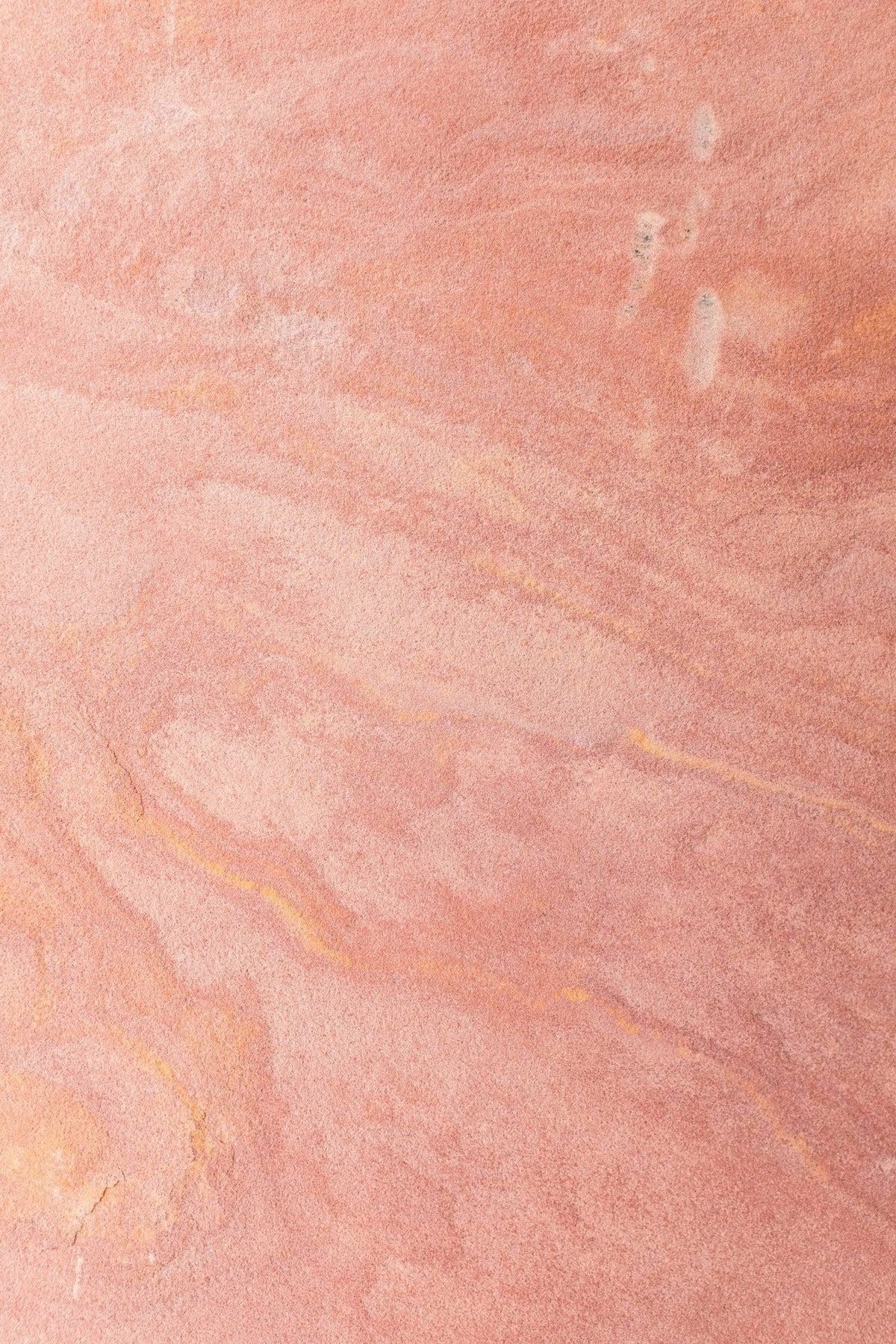
An artificial rock wall is a sculpted plaster surface built up over a solid background until it has the relief, the fractures and the colour of real stone, without the weight or the foundations real stone would need. It is not a cladding panel and it is not a mould pressed onto a wall. It is carved and coloured by hand while the material is workable, which is why two walls by the same person are never identical, and why a bad one looks like a theme park. This piece covers how the form is built, what the wall behind it has to take, where the finish belongs, and how much skill it actually needs.
If you want it installed, our own applicators handle artificial rock installation from survey to final coat.
A faux rock wall is made in layers, and each layer does a different job.
The background. Everything starts with a sound, rigid, primed surface. Blockwork and brick are ideal. Plasterboard works for lighter relief provided it is well fixed and the studs are close enough, but it is the limiting factor: board flexes, and a heavy build up on a springy wall will crack at the joints. Where the relief is deep, a mesh or lath carrier is fixed back to the structure first to give the material something to key into and to hold the mass in place.
The mass. The rock form is built out in coats, not in one go. Each pass adds thickness and is allowed to firm before the next, because a thick wet layer will sag under its own weight and shrink as it sets. This is the slow part.Getting the profile right, where the wall bulges, where it recedes, where a ledge throws a shadow, happens now.
The carving. Once the material is green, firm enough to hold a shape but still cuttable, the detail goes in. Fracture planes, bedding lines, undercuts, the sharp arris where a block has split against the soft weathering below it. The whole illusion lives here. Real rock breaks along lines that follow how it was formed, so the fractures have to agree with each other across the wall.
The colour. Stone is never one tone. Colour goes on as thin translucent washes, built up and partly wiped back so pigment collects in the recesses and stays off the high points. Lime washes suit this because they sit into the surface rather than coating it. A sealer goes on last wherever the wall will be touched, splashed or cleaned.
The finished wall is heavier than any flat plaster finish, because the whole point is that it has bulk. Before anything else, three questions need answering.
None of this is difficult to solve, but all of it is difficult to solve afterwards. The survey matters more here than on any other finish we lay, which is part of why our installation team looks at the wall before quoting rather than pricing from photographs alone.
The finish works when the setting gives it a reason to exist, and fails when it is decoration with no argument behind it.
It belongs in bars and restaurants, particularly cellar bars, wine rooms and anywhere with a vaulted or low ceiling, where a rough stone face makes the space feel excavated rather than fitted out. It belongs in spas, pools and wet rooms, where it pairs with water, heat and low light. It belongs around a fireplace, where a stone surround is the natural answer and real stone would mean structural work. It works well on columns, arches and reveals, where the relief turns a corner and you see it in the round.
It does not belong in an ordinary living room as a feature wall behind a television. It does not belong in a small, bright, square room with no other hard materials, because there is nothing for it to answer to. And it does not belong wherever the brief is “something different” rather than a considered decision. That is where faux rock starts looking like a grotto in a family pub.
Three things separate a good one from a bad one: the fractures agree with each other, the colour is restrained rather than multicoloured, and the wall is lit from the side. Rock lit flat on is just a lumpy wall.
This is the hardest thing we teach, and it is not a first finish.
Flat decorative work is about control: a consistent hand, an even coat, a clean burnish. Rock is about form. You are sculpting, which means working three dimensionally, reading how light will fall on a shape you have not finished yet, and knowing when the material is at the right stage to cut. It also has a timing problem the flat finishes do not: the window in which the build up is firm enough to carve and soft enough to cut is short, and on a large wall you are managing several areas at different stages at once.
Most people who try it from a video produce something that is recognisably imitation. The usual failures are all the same three: too much relief and not enough restraint, fractures that do not follow any logic, and colour laid on in obvious bands.
We teach artificial rock on the Advanced course, four days, £1,200, alongside textured marmorino, vein work, stencil work, high gloss polishing, tinting and blending. It sits on the advanced course rather than the beginner one deliberately: you need the trowel control and the material knowledge from the three day beginner course before sculpting makes any sense. Our write up of what the advanced course covers goes through the four days in detail.
If you have no intention of learning it and simply want the wall, have it laid. It is one of the finishes where the gap between a trained applicator and a first attempt is largest, and it is not a surface you can quietly correct later.
Mineral plaster, built up in coats over a primed and often meshed background, then carved while it is still green and coloured with thin washes. It is the same family of materials as our other decorative finishes, applied far thicker and worked three dimensionally. There is no resin panel, no mould and no stone cladding involved.
Considerably more than a flat plaster finish, because the relief is solid material. On masonry it is not an issue. On a stud wall it depends on how deep the relief goes and how the partition is built, which is why the background is checked and, where needed, reinforced before any material goes on.
Yes, and wet rooms and spas are among its best settings, provided the background is tanked and the finished surface is properly sealed. The crevices hold water longer than a flat wall, so the sealing specification and the ventilation both matter more than they would on a feature wall in a dry room.
It is the hardest finish we teach. It needs sculptural judgement as well as trowel skill, and the timing window for carving is short. That is why it sits on the four day Advanced course rather than the beginner one. People with flat decorative experience pick up the principles in a few days; producing a wall that convinces takes practice after that.
Where to go next: see examples and material on the artificial rock page and the gallery, book the Advanced course at the Birmingham Academy if you want to make it yourself, or read how a job runs from survey to handover in our installation process guide.
How microcement floors work in kitchen extensions across Greater Manchester, from the screed underneath to underfloor heating and everyda...
Buying GuideA product by product guide to the protective finishes in the Zavoré shop and which plaster each one is made for.
CommercialWhat London restaurant, bar and hotel operators should know about decorative plaster. Which finishes stand up to busy service, out of hou...
BirminghamFor people thinking about leaving another job for decorative plastering. What a beginner course at the Zavoré Academy covers, the gap bet...
TadelaktAn in depth guide to tadelakt, the polished Moroccan lime plaster, for bathrooms and wet rooms in Welsh homes, cottages and holiday lets.
DubaiHow polished plaster works on staircases and lift lobbies in Dubai villas, from tall stair walls and handrail fixings to protecting busy ...

Providing luxury finishes for the most prestigious addresses in the world
Venetian plaster, limewash, microcement, tadelakt, metallics, sculptural plaster and gold leaf, supplied and installed by our own team, with Venetian plaster taught at our Birmingham studio.
One list, run by the people who make the material. No noise, and nothing we would not want to read ourselves.
We email as the house has something worth saying, never daily. Unsubscribe from any email, or reply STOP to any text. We never pass your details to anyone.