

✦
Where Artistry Begins
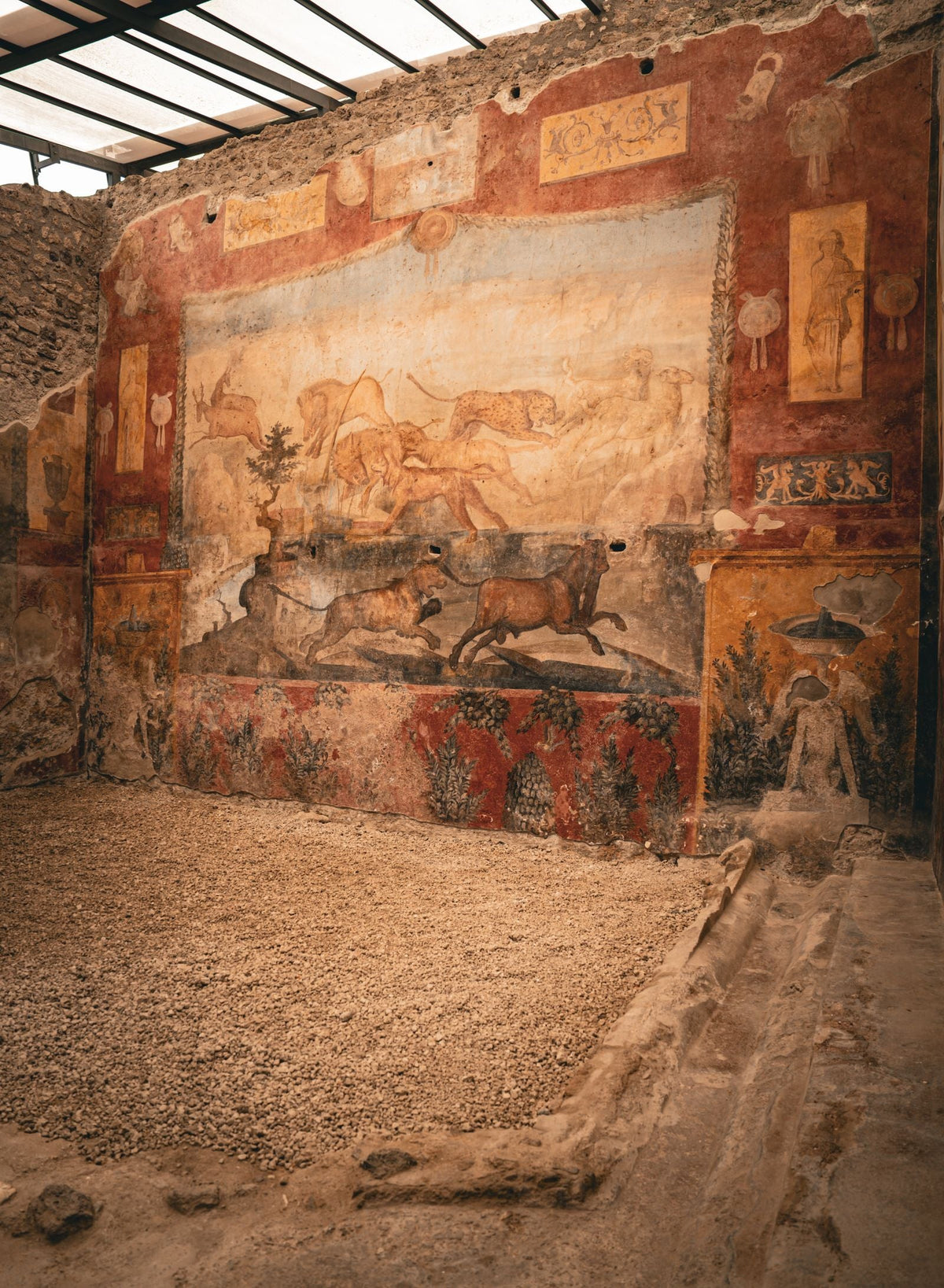
Choosing bas relief or a painted mural comes down to one question, whether you want depth you can touch or colour and fine detail on a flat surface. Zavoré sculpts relief by hand and paints murals by hand on site for homes across London and the UK, and the two can be combined, with a relief painted in full colour or a mural framed by sculpted plaster.
To see how a relief is designed and built up in layers, read our page on bas relief sculpted into the wall, and for the painted side, our hand painted murals page covers chinoiserie, florals, landscapes and scenes. Both are made wherever you live, and our Venetian plastering across the UK page lists the areas we cover. Here is how to decide which suits your wall.
A bas relief is built up in plaster on the wall, carved while still workable, then refined until it reads as one surface with the wall around it. The design rises only a little from the background, which is why it sits comfortably on a wall or ceiling. Its effect comes from shadow, so a white relief can be as striking as a coloured one.
A mural is painted directly onto a wall or ceiling that has been prepared and left to dry. It relies on colour, line and brushwork, and it can show things relief cannot easily carry, such as a sky fading from blue to gold, fine birds on a branch, or the soft glow of gilding behind blossom. A true fresco is one particular kind of mural, painted into fresh lime plaster so the colour becomes part of the wall as it sets.
Light. A relief comes alive when daylight or lamps reach it as low angled light from the side, the floor or the ceiling. In a room lit mostly from straight ahead, a mural often shows better. If you love how a wall changes from morning to evening, relief rewards that.
Shape of the wall. Murals are drawn to the exact wall, around doors, windows, alcoves and the ceiling line, so a broken wall with several openings is easy for a painter. Relief can do this too, but it is happiest on a wall with a clear, open surface.
Use of the space. In a busy hallway or a commercial room, a mural can be sealed so it wipes clean. A relief has edges and hollows that gather dust over time, so in a heavy traffic area it helps to keep the deepest carving above hand height.
Mood. Relief tends to feel calm, architectural and permanent. A mural can be playful, romantic or dramatic, and its colour sets the tone of a room instantly.
Some subjects suit both. Trees, landscapes, flowers, geometry and lettering can be sculpted or painted, and the choice comes down to whether you want them felt or seen. Others lean one way. Chinoiserie birds on gold leaf, detailed skies and scenes with many colours are natural murals. Pure white botanical stems, waves, architectural cityscapes with domes and arches, and logos that need to stand out in shadow are natural relief.
The most direct way is a painted relief. The sculpted forms are coloured in full, turning a scene into a three dimensional painting, with rooftops, water, boats and sky picked out. From across the room it reads like a mural; up close the forms stand out from the surface.
Another approach keeps the two side by side. A hand painted landscape might fill a wall while a sculpted branch reaches out of it at one edge, or a mural can sit inside a panel of plaster mouldings with a sculpted border. A mural painted over a limewash or marmorino background picks up the movement of the plaster below and gains an aged, fresco like depth.
Because we sculpt, plaster and paint, the background, the relief and the painting are planned together. See our bespoke feature walls for more combinations.
Colours can follow any NCS reference or come from our 48 house colours, and our sample board is a good way to judge a background shade in the room at different times of day.
Neither has a fixed price. Both depend on the size of the wall, the level of detail and the time the work takes, and a combined piece depends on how much of each it holds. A simple white relief and a detailed painted scene may end up in the same range, or not. We give a clear figure once the wall has been surveyed and the design agreed.
Yes, if the relief is sound and the surface is prepared properly. Colour can be laid over the sculpted forms so the scene reads as both a painting and a relief. We look at the existing piece first to make sure it will take paint well.
A mural is easier to paint over if your taste changes, although most people keep theirs. A relief is part of the wall itself, so removing it means reshaping the surface. Choose relief for a design you expect to love for a long time.
Not inside a shower. Neither a sculpted plaster relief nor a painted mural belongs on a wall that is regularly soaked. For wet areas tadelakt or microcement on a properly waterproofed wall make more sense, and a relief or mural can go on a dry wall nearby.
Yes. Restaurants, hotels, offices, shops and receptions often use a painted relief or a mural with a logo or lettering worked into the design.
To talk through your wall, email photos, rough measurements and the address to sales@zavore.co.uk, or call +44 7592 929191, Monday to Saturday, 9am to 6pm. Tell us whether you lean towards relief, a mural or both, and we will suggest how each might look.
How microcement floors work in kitchen extensions across Greater Manchester, from the screed underneath to underfloor heating and everyda...
Buying GuideA product by product guide to the protective finishes in the Zavoré shop and which plaster each one is made for.
CommercialWhat London restaurant, bar and hotel operators should know about decorative plaster. Which finishes stand up to busy service, out of hou...
BirminghamFor people thinking about leaving another job for decorative plastering. What a beginner course at the Zavoré Academy covers, the gap bet...
TadelaktAn in depth guide to tadelakt, the polished Moroccan lime plaster, for bathrooms and wet rooms in Welsh homes, cottages and holiday lets.
DubaiHow polished plaster works on staircases and lift lobbies in Dubai villas, from tall stair walls and handrail fixings to protecting busy ...

Providing luxury finishes for the most prestigious addresses in the world
Venetian plaster, limewash, microcement, tadelakt, metallics, sculptural plaster and gold leaf, supplied and installed by our own team, with Venetian plaster taught at our Birmingham studio.
One list, run by the people who make the material. No noise, and nothing we would not want to read ourselves.
We email as the house has something worth saying, never daily. Unsubscribe from any email, or reply STOP to any text. We never pass your details to anyone.