

✦
Where Artistry Begins
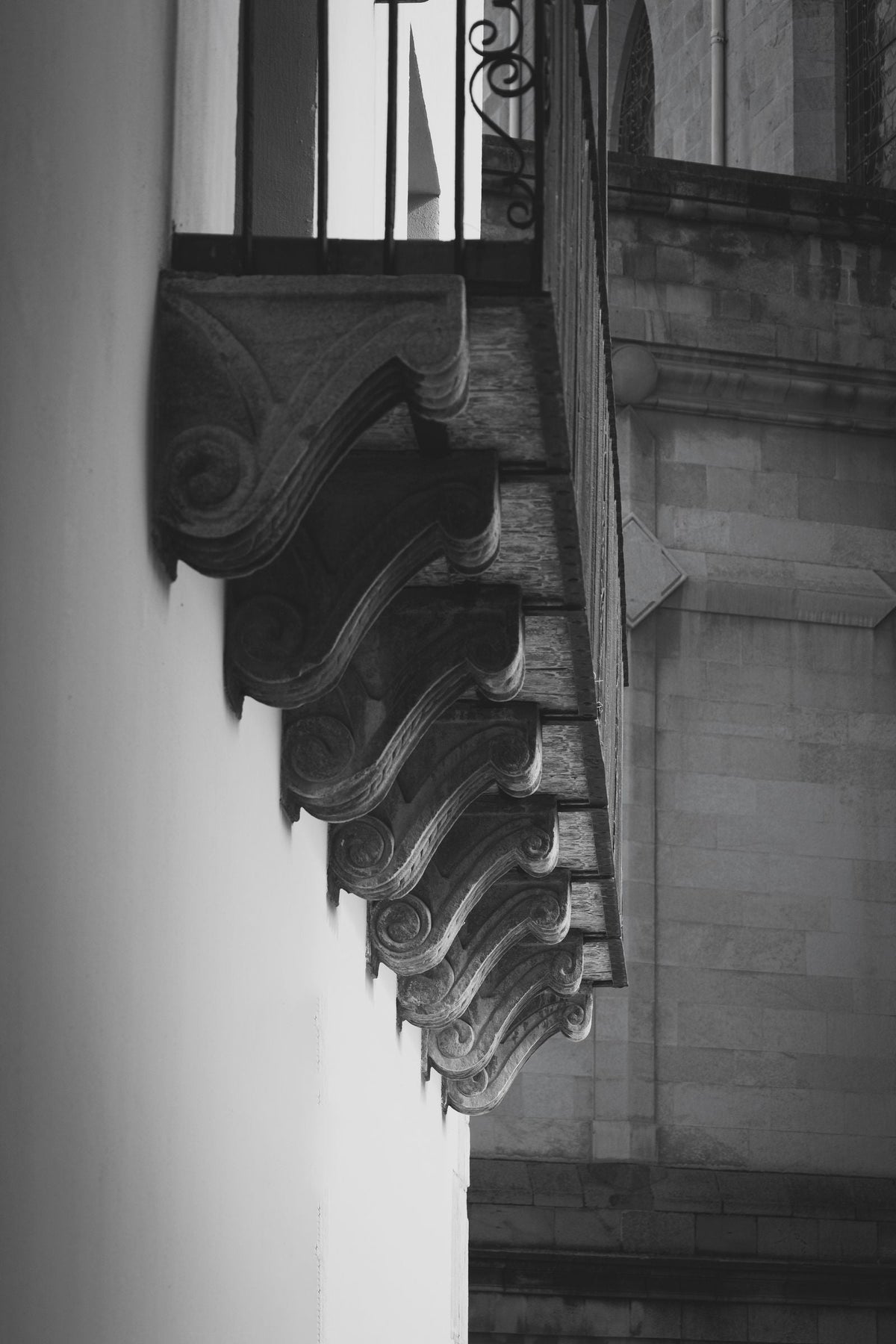
A corbel is a bracket that projects from a wall, originally to carry weight above it, such as a beam, a roof timber or a stretch of masonry. Indoors today, plaster corbels are almost always decorative. They sit where an archway springs from the wall, under the ends of a cornice, beneath a beam, or either side of a shelf or mantel, and they add the sense of support and craftsmanship that a plain wall lacks. The important thing to know is that a decorative plaster corbel is not a structural bracket unless its maker says it is.
Zavoré lays this for you too. Our own team provides cornice and coving installation across the UK.
This guide covers where corbels come from, where to use them, the main styles, how they are fixed and how to finish them. You can see the corbels and mouldings we fit and restore on our plaster cornice and coving page.

Britannica describes a corbel as a bracket or weight carrying member built deeply into a wall, so that the pressure on the embedded part counteracts any tendency to tip outwards. It links the name to an old French word for a crow, from the shape's likeness to a beak. Corbels could be single stones working like brackets, or continuous courses of masonry, for example under a projecting oriel window.
Medieval builders made corbels both useful and expressive. Writing on buildingconservation.com, conservation specialists explain that corbels were placed under principal roof beams and wall posts, visually linking the roof to the wall, and that Romanesque churches had corbels below the eaves carved as animals, figures or grotesques, with origins in classical brackets. The V&A holds a carved sandstone corbel from South West England, dated around 1125 to 1150, carved as a grotesque head with hands pulling at its mouth, and it describes as a projection of stone, timber or other material jutting from a wall, usually supporting a weight above.

The words overlap. Britannica defines a console as a type of bracket or corbel, particularly one with a scroll shaped profile, an S curve ending in spirals, used to hold a window head, cornice, shelf or sculpture. In practice, a corbel often means a solid, blocky bracket, and a console means the scrolled version. Many decorative plaster corbels are console shaped, often dressed with acanthus leaves.
Corbels belong to the same family as cornice, ceiling roses, which you may also see called ceiling medallions, and plaster columns and pilasters. Choose them together, close in period and weight of detail. Our guide to choosing a plaster ceiling rose covers matching roses to a room.

This is where care matters. A stone corbel in an old building works because it is built deep into the wall. A decorative plaster corbel is fixed to the surface, so it is only as strong as its fixing, its material and the wall behind it.
Once fixed, the joint between corbel and wall is filled and rubbed back so the corbel looks as if it grew out of the plaster. Plaster corbels can be left a soft white, painted in the wall or trim colour, or picked out in a contrast. On detailed corbels, thin coats keep the carving crisp. For a richer room, corbels can be gilded in gold, silver or copper leaf, either all over or just on the raised detail. Our gilding page explains how we pick out corbels, cornice and columns.
Not on its own, unless the maker states that it is designed to carry a load. Use a hidden bracket for the shelf and let the corbels be decorative.
A corbel is a kind of bracket. Traditionally it was built into the wall to carry weight, and the word is now used loosely for decorative brackets too.
Yes, in plain stepped or curved forms. A pair of simple corbels under a floating shelf or at an arch can look very clean.
Yes. We fit plaster corbels with the joints filled and finished, including corbels you have bought yourself, across the UK including London, Birmingham and Manchester.
Where to go next. See the corbels, cornice, roses and panel mouldings we fit and restore on our plaster cornice and coving page, or send a photo of the arch, beam or wall through our contact page and we will suggest a style and size.
How microcement floors work in kitchen extensions across Greater Manchester, from the screed underneath to underfloor heating and everyda...
Buying GuideA product by product guide to the protective finishes in the Zavoré shop and which plaster each one is made for.
CommercialWhat London restaurant, bar and hotel operators should know about decorative plaster. Which finishes stand up to busy service, out of hou...
BirminghamFor people thinking about leaving another job for decorative plastering. What a beginner course at the Zavoré Academy covers, the gap bet...
TadelaktAn in depth guide to tadelakt, the polished Moroccan lime plaster, for bathrooms and wet rooms in Welsh homes, cottages and holiday lets.
DubaiHow polished plaster works on staircases and lift lobbies in Dubai villas, from tall stair walls and handrail fixings to protecting busy ...

Providing luxury finishes for the most prestigious addresses in the world
Venetian plaster, limewash, microcement, tadelakt, metallics, sculptural plaster and gold leaf, supplied and installed by our own team, with Venetian plaster taught at our Birmingham studio.
One list, run by the people who make the material. No noise, and nothing we would not want to read ourselves.
We email as the house has something worth saying, never daily. Unsubscribe from any email, or reply STOP to any text. We never pass your details to anyone.