

✦
Where Artistry Begins
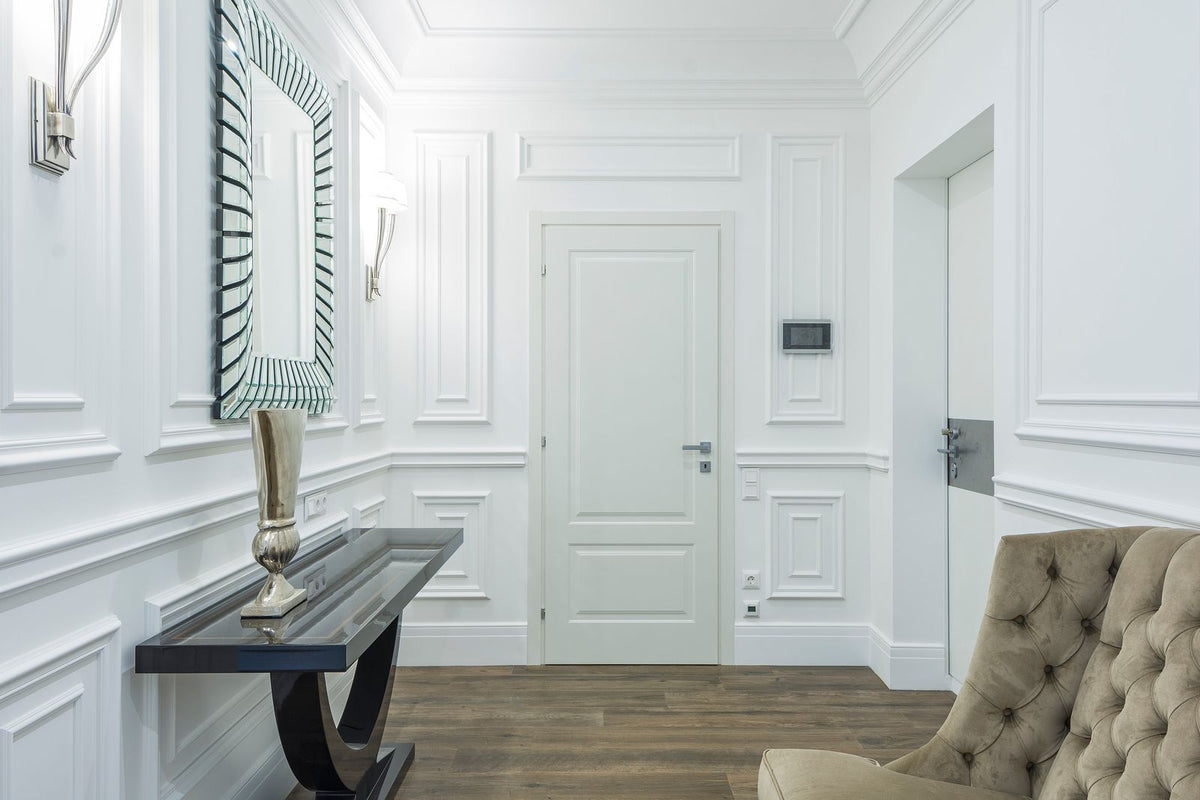
Polished plaster is easy to look after. Dust it with a soft dry cloth, wipe marks with a barely damp cloth and plain water, rewax busy areas now and then, and have chips repaired locally in the same tinted plaster. Zavoré installs lime polished plaster across London and the UK, and the main rule we give every household is simple, never use abrasive pads, bleach or strong chemical cleaners on the wall.
Our page on polished plaster explains the finish itself, and Venetian plastering across the UK shows where our own artisans install it. If a wall needs more than routine care, our Venetian plaster installation team can advise on repair or refinishing.
Most of the time, a polished plaster wall only needs dusting. A soft microfibre cloth, a lambswool duster or the brush on a vacuum cleaner, used gently, keeps it bright. Work in light strokes rather than pressing hard.
For fingerprints and light marks, wring a soft cloth out in clean, lukewarm water until it is barely damp, wipe the mark gently and then buff the area dry with a second cloth. The buffing brings the sheen back and stops water marks. For something more stubborn, a drop of mild, pH neutral soap in the water is usually enough. Test on a hidden spot first if you are unsure.
If you have a cleaner who comes in, it is worth telling them which walls are plaster, so they reach for a dry cloth rather than an all purpose spray.
There is no fixed timetable. A wall that is rarely touched, such as a bedroom feature wall or a ceiling, may never need more than the wax applied when it was laid. Walls that are touched often, such as hallways, stairs, around light switches and beside a dining table, benefit from an occasional light rewax and buff.
Rewaxing is straightforward. The wall is dusted and cleaned, a thin layer of suitable wax is applied with a soft cloth or a steel trowel and then buffed to bring the sheen up. Ask us which wax suits your wall before using any product, because some household waxes leave a sticky or yellow film on lime.
Yes, and that is one of its real strengths. Fine surface scratches often disappear with a gentle buff and a touch of wax. A deeper scratch or a chip from a door handle or a piece of furniture can be filled with plaster in the same colour, burnished and waxed so it blends into the surrounding wall. Keep a note of your house colour or the NCS reference, which makes matching much easier.
Filler and paint are never a good fix on a polished wall, because they will always show against the sheen. If a whole wall has become tired, it can often be refreshed with a new coat rather than stripped back.
Kitchens. Keep polished plaster away from directly behind a hob, where grease and heat are constant. On other walls, wipe splashes promptly and buff dry. A protective wax helps the surface shrug off light marks.
Bathrooms. Polished plaster belongs on the dry walls. It is not for inside showers, where tadelakt or microcement on a waterproofed wall is the right choice. Good ventilation helps any plaster wall in a steamy room.
Hallways and stairs. These see the most contact. A slightly deeper colour hides marks better than bright white, and rewaxing the areas at hand height keeps them looking fresh.
Gently, yes. Use a barely damp soft cloth and plain water, with a drop of mild soap for stubborn marks, then buff the area dry. Never soak the wall or scrub it.
Usually the wax has worn where the wall is touched often, or a cleaning product has stripped it. A light clean, a thin rewax and a buff normally bring the sheen back.
It can be done with the right preparation, but you lose the depth that makes the finish special. A new coat of plaster in a different colour is often the better choice.
No. Polished plaster gives a marble look but is not marble. It is lime based, so acidic cleaners that might be sold for stone are just as unsuitable. Treat it gently and it will last.
For advice on your walls, call +44 7592 929191 (Monday to Saturday, 9am to 6pm) or email sales@zavore.co.uk with photos and the address. You can order a sample board if you are planning a new wall.
How microcement floors work in kitchen extensions across Greater Manchester, from the screed underneath to underfloor heating and everyda...
Buying GuideA product by product guide to the protective finishes in the Zavoré shop and which plaster each one is made for.
CommercialWhat London restaurant, bar and hotel operators should know about decorative plaster. Which finishes stand up to busy service, out of hou...
BirminghamFor people thinking about leaving another job for decorative plastering. What a beginner course at the Zavoré Academy covers, the gap bet...
TadelaktAn in depth guide to tadelakt, the polished Moroccan lime plaster, for bathrooms and wet rooms in Welsh homes, cottages and holiday lets.
DubaiHow polished plaster works on staircases and lift lobbies in Dubai villas, from tall stair walls and handrail fixings to protecting busy ...

Providing luxury finishes for the most prestigious addresses in the world
Venetian plaster, limewash, microcement, tadelakt, metallics, sculptural plaster and gold leaf, supplied and installed by our own team, with Venetian plaster taught at our Birmingham studio.
One list, run by the people who make the material. No noise, and nothing we would not want to read ourselves.
We email as the house has something worth saying, never daily. Unsubscribe from any email, or reply STOP to any text. We never pass your details to anyone.