

✦
Where Artistry Begins
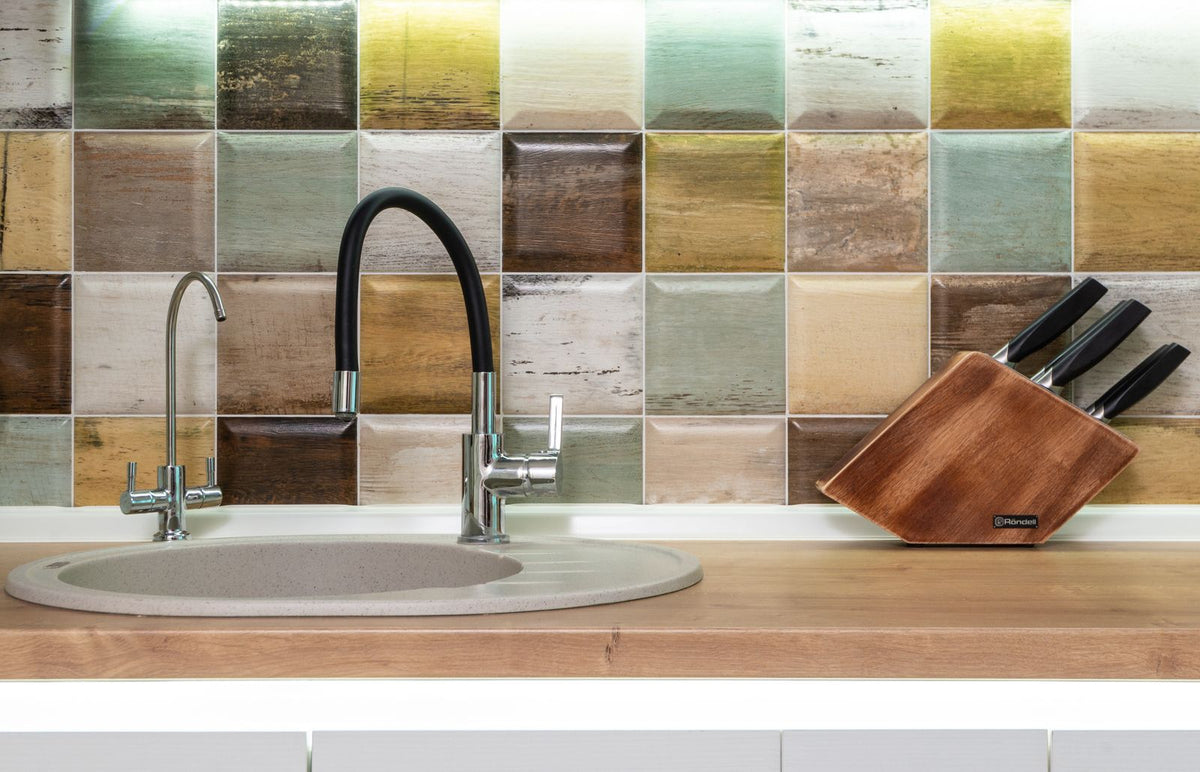
Polished plaster vs tiles for walls comes down to where the wall is and how wet it gets. Zavoré installs polished plaster across the UK, and our honest view is simple. Polished plaster gives a seamless, marble like wall for living rooms, halls, bedrooms and the drier parts of kitchens and bathrooms, while tiles, tadelakt or microcement belong inside the shower and anywhere water sits on the surface.
Our page on polished plaster covers the finish itself, and our page on Venetian plastering across the UK shows the towns and cities we install in, from London to Birmingham and Manchester.
Tiles are fired units fixed with adhesive and joined with grout. They are tough, easy to wipe and very good with water, but every joint is a line on the wall and a place for grime to gather. Polished plaster is the burnished end of Venetian plaster, a lime and marble material trowelled on in very thin coats and worked until it shines. There are no joints at all, and the colour has depth because it is built up in layers rather than printed on a glaze.
The feel is different too. A tiled wall is cool and hard edged. A polished lime wall is smooth, slightly soft to the eye, and changes with the light through the day. It gives a marble look without being marble.
In a kitchen, the honest answer is often both. Behind the sink and hob, where splashes, steam and grease land every day, a tiled or stone splashback is the hard working choice. Around it, polished plaster can carry on across the rest of the walls, the chimney breast and the extractor housing, giving the room a quiet, high end finish without a single grout line. Keep a cloth handy, wipe splashes promptly, and avoid harsh cleaners on the plaster.
Venetian plaster is not for inside showers. Inside a shower enclosure, tiles, tadelakt or microcement on a waterproofed wall is the right answer. Behind that finish the wall still needs proper tanking. Outside the shower, things open up. The wall behind a basin, the area around a freestanding bath and the walls of a cloakroom can all take polished plaster, with the wet zone handled by tiles or by microcement, which we install. Good ventilation helps whatever you choose.
Away from water, tiles are rarely used on walls, and this is where polished plaster really earns its place. Hallways and staircases, living room feature walls, TV walls, dining rooms and bedroom walls behind the bed all benefit from a continuous surface that catches light gently. In a Victorian terrace or a Georgian townhouse with solid walls, a lime finish lets moisture pass through the masonry, which an acrylic coating or a tiled face does not. In a new build flat lined with plasterboard, the joints are reinforced and primed first so the polish stays flat.
A cracked tile has to be cut out and replaced, and matching an old tile years later can be hard. A chip or scuff in polished plaster can usually be filled and polished back locally by an artisan, blending into the layers around it. Day to day, a polished lime wall is dusted with a soft cloth and marks are wiped gently with a barely damp one. Tiles are wiped more freely but grout lines need scrubbing over time.
Either way, the wall underneath matters. Tiles can hide small undulations; a polished surface shows every dip, so preparation is a bigger share of the work.
Sometimes, but not as a rule. Glazed tiles give lime very little to grip, and old grout lines can telegraph through a thin finish. In many cases the tiles come off and the wall is made good before plastering. We decide at the survey, once we have seen how sound the tiles and the wall behind them are.
We install polished plaster in London, Birmingham, Manchester and across the UK, with our own artisans. Send photos, rough measurements and any drawings. We survey before giving a price, you approve a sample in your chosen colour, then the job is booked in a block of days so the same artisans stay with it. We do not quote timescales in weeks or prices before seeing the wall. Our Venetian plaster installation page explains the process in more detail.
No. Polished plaster resists the odd splash once finished and cared for, but it is not made for standing water. Inside a shower or on a constantly wet wall, tiles, tadelakt or microcement over a waterproofed wall is the right choice.
Directly behind a busy hob or sink we usually suggest a tiled or stone splashback. Polished plaster then runs across the surrounding walls, so the kitchen still feels seamless and calm without the plaster taking daily punishment.
It depends on the wall, the preparation, the area, the details and the finish you choose, so a direct comparison is not honest without a survey. We price polished plaster once we have seen the wall and agreed the sample.
Yes. There are 48 house colours or any NCS reference, and a sample board lets you see the shade and sheen in your room before anything is applied.
Weighing up polished plaster or tiles for your walls? Email photos and rough measurements to sales@zavore.co.uk or ring +44 7592 929191, and we will give you a straight answer. Try a sample board to compare colours at home.
How microcement floors work in kitchen extensions across Greater Manchester, from the screed underneath to underfloor heating and everyda...
Buying GuideA product by product guide to the protective finishes in the Zavoré shop and which plaster each one is made for.
CommercialWhat London restaurant, bar and hotel operators should know about decorative plaster. Which finishes stand up to busy service, out of hou...
BirminghamFor people thinking about leaving another job for decorative plastering. What a beginner course at the Zavoré Academy covers, the gap bet...
TadelaktAn in depth guide to tadelakt, the polished Moroccan lime plaster, for bathrooms and wet rooms in Welsh homes, cottages and holiday lets.
DubaiHow polished plaster works on staircases and lift lobbies in Dubai villas, from tall stair walls and handrail fixings to protecting busy ...

Providing luxury finishes for the most prestigious addresses in the world
Venetian plaster, limewash, microcement, tadelakt, metallics, sculptural plaster and gold leaf, supplied and installed by our own team, with Venetian plaster taught at our Birmingham studio.
One list, run by the people who make the material. No noise, and nothing we would not want to read ourselves.
We email as the house has something worth saying, never daily. Unsubscribe from any email, or reply STOP to any text. We never pass your details to anyone.